
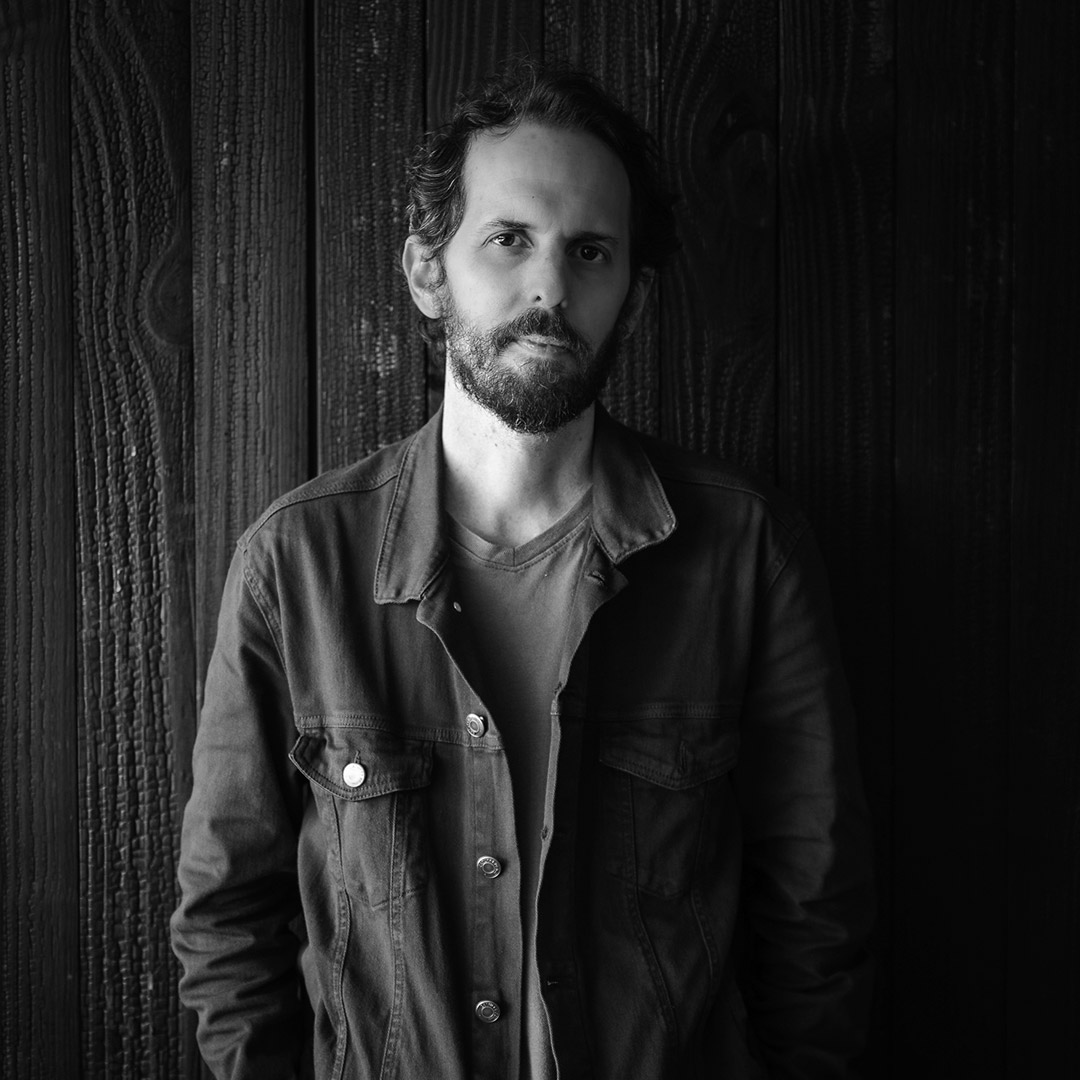
Pedro Cornetta is a brazilian architect and founder of Cornetta Arquitetura, a practice based in Sertãozinho, in the state of São Paulo. His work focuses on high-quality residential housing, with particular attention to industrialized construction and sustainability applied to architectural practice.
Educated at the Escola de Engenharia de São Carlos (USP), Cornetta began his professional career in the early 2000s and has led his own studio since 2009. His approach is defined by the integration of architecture, engineering, and design, aiming to optimize processes and reduce the environmental impact of construction.
The philosophy of his studio rests on three fundamental pillars:
• Industrialization and construction efficiency: adopting systems that streamline execution, reduce costs, and minimize waste.
• Sustainable commitment: prioritizing renewable materials such as laminated timber, lightweight metal structures, and prefabricated components, always with energy efficiency and environmental comfort in mind.
• Contemporary and personalized design: each project responds to the uniqueness of the client, the site, and its natural context, resulting in modern, functional homes that respect their surroundings.
Among his most recent works is Casa Guapuruvus (São Roque, 2023), a residence conceived as a laboratory of ecological practices. Here, laminated wood, metal structure, and lightweight building systems coexist while preserving the native forest and adapting architecture to the natural topography.
Pedro Cornetta’s work embodies a new generation of Brazilian architects who understand sustainability as a guiding principle. His studio demonstrates that technology, design, and environmental respect can come together in contemporary residential projects that aspire to be efficient, durable, and profoundly habitable.
Pedro Cornetta also cultivates his artistic side as a musician and composer. He leads the project Pedro Cornetta & The Imaginary Quartet, where he explores a contemporary jazz infused with electronic foundations and experimental atmospheres. His music reflects the same sensitivity that guides his architecture: a balance between structure and freedom, between technique and emotion.