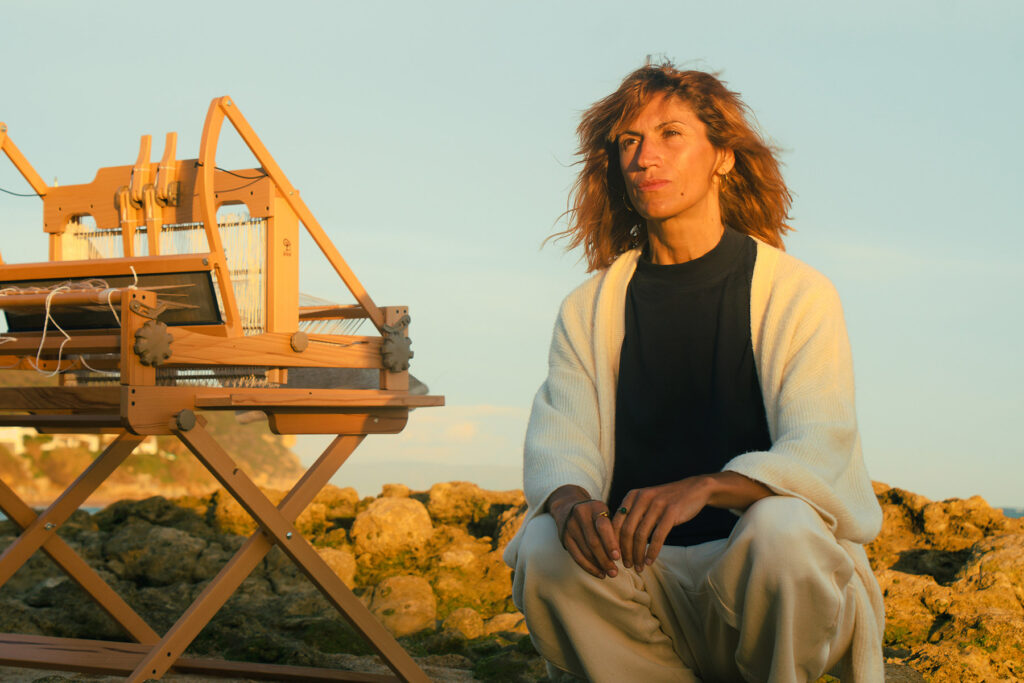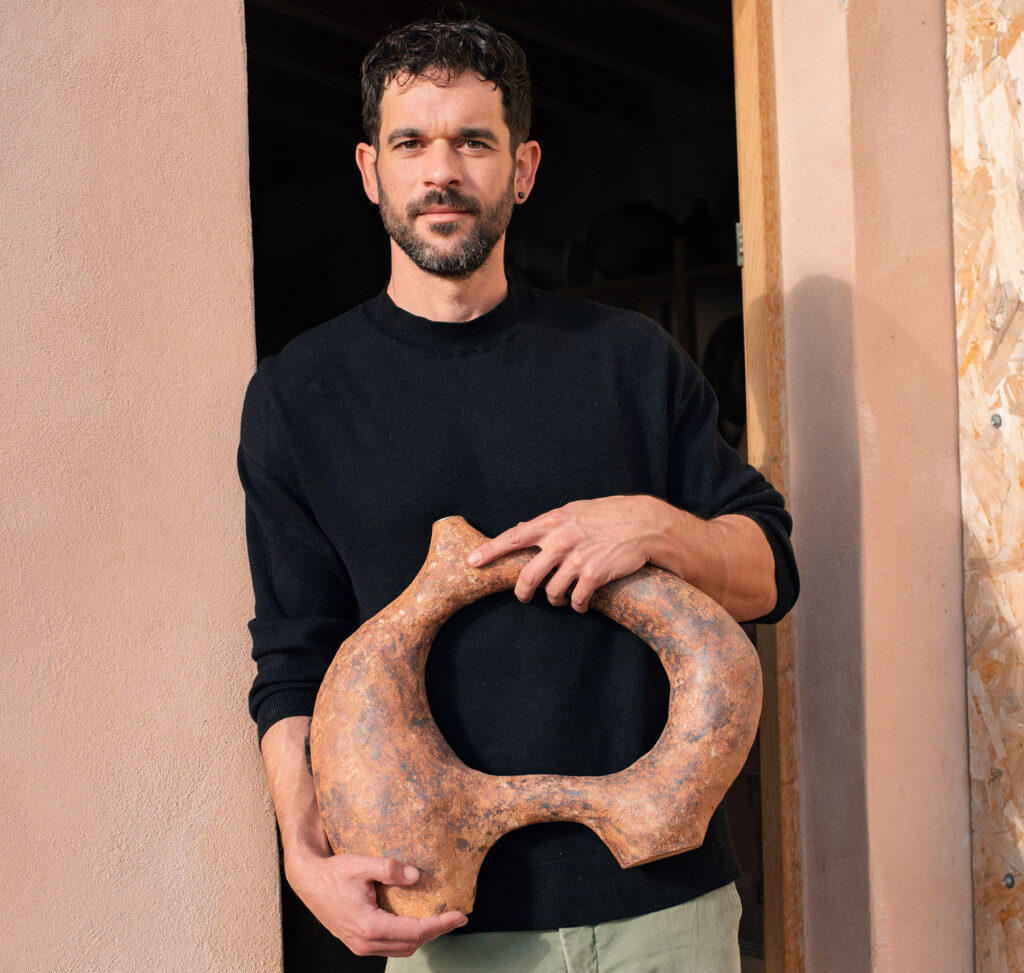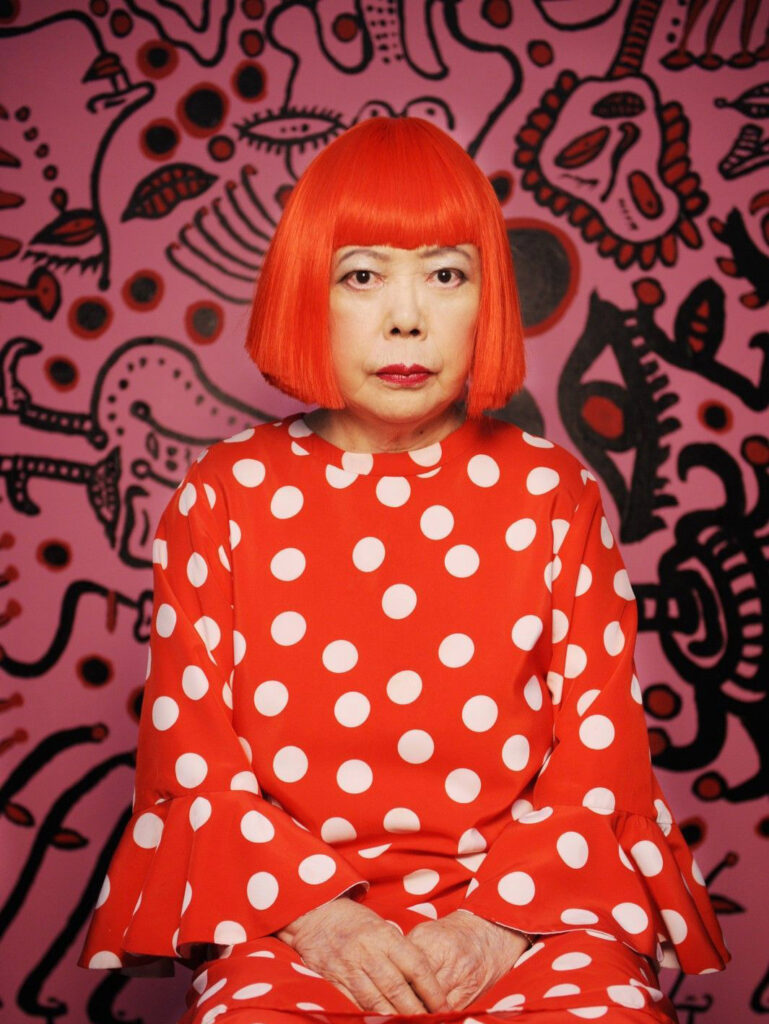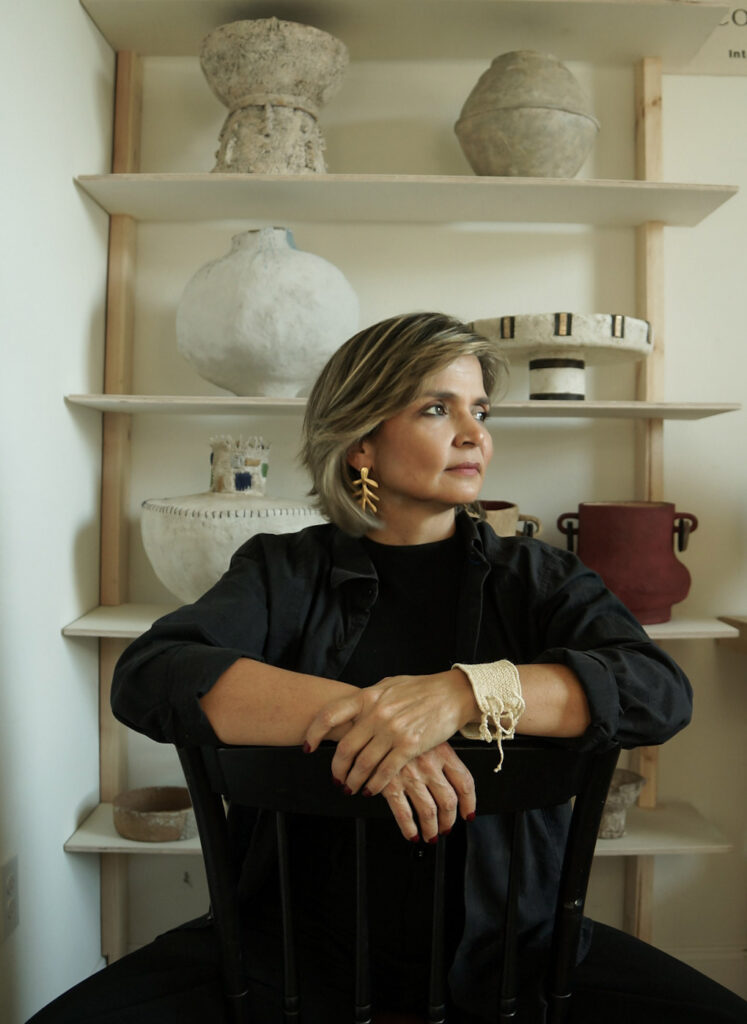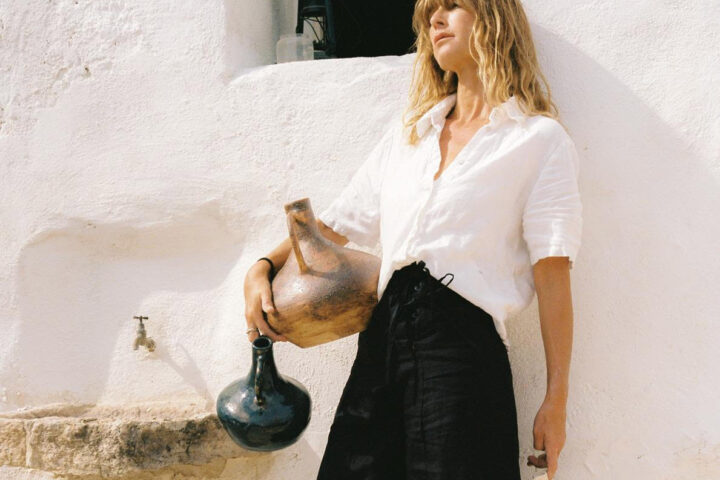

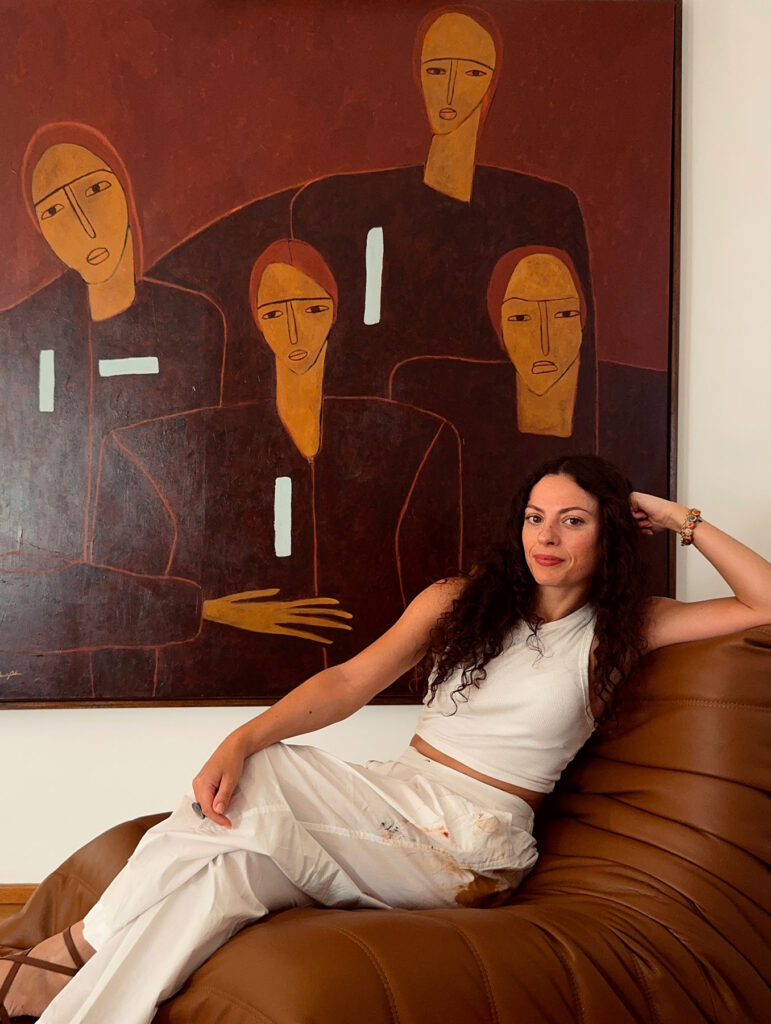
"In the midst of the bustle and concrete of São Paulo, my studio is a place of slow time, of listening and sensitivity, where I keep searching for a life in harmony with simplicity and the rhythm of nature, just as I would ideally like to live it."
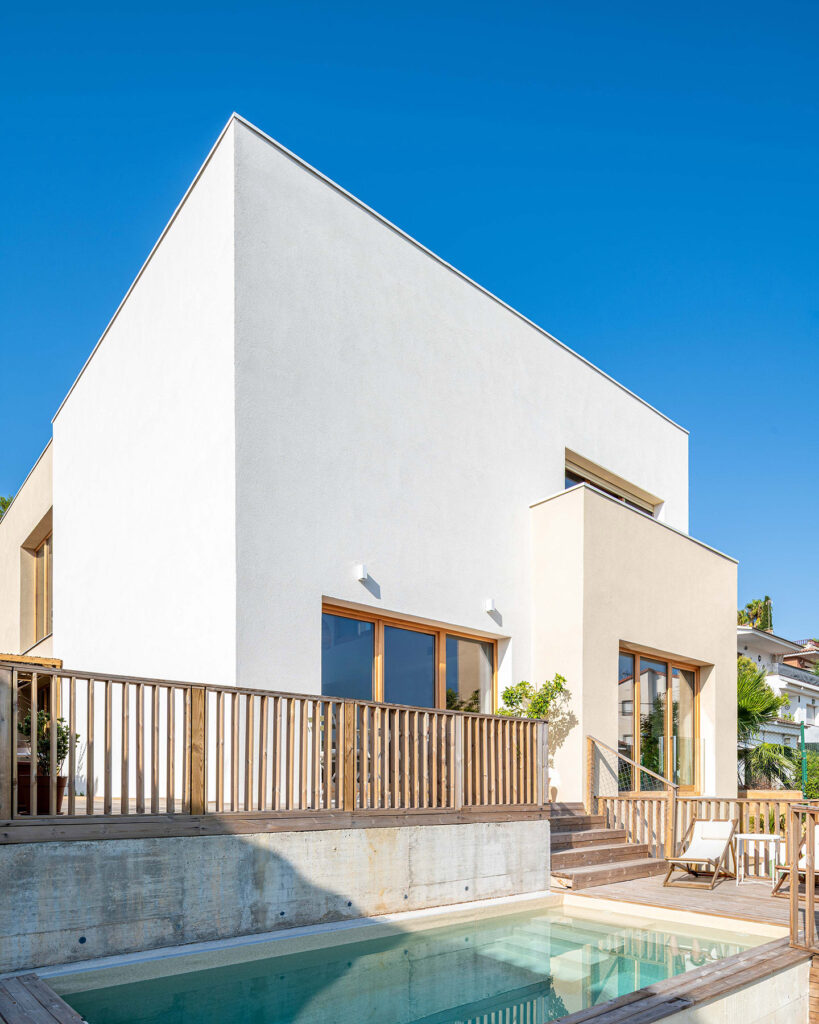
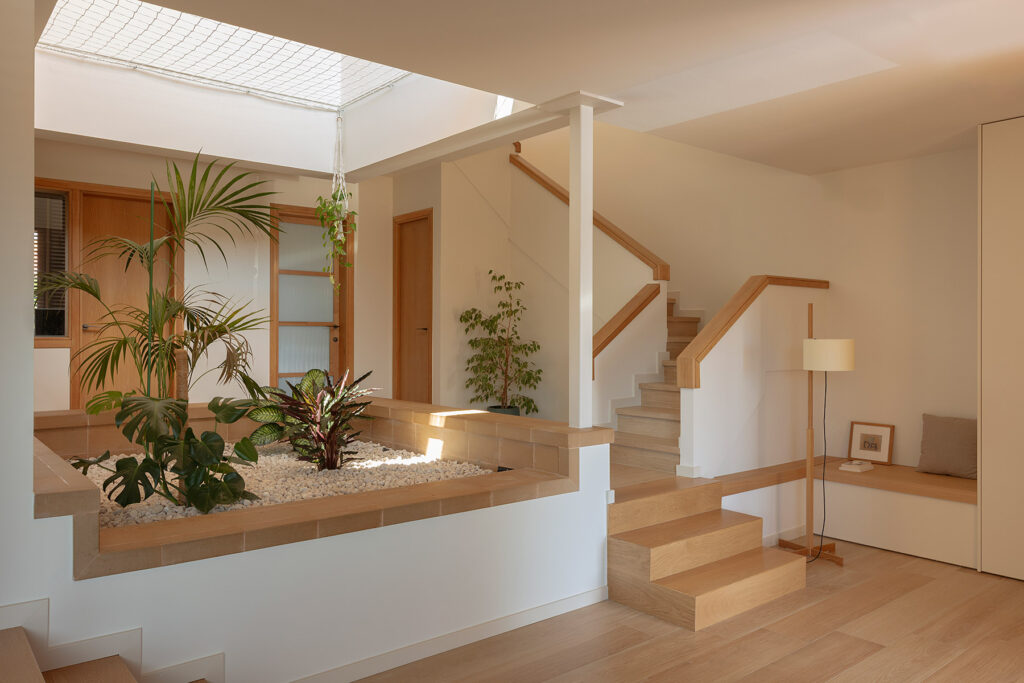
A house between party walls that, despite its narrow limits, finds in light and air its true free space; turned toward the Rambla and its palm trees, it continuously receives the sea breeze.
The architects understand conservation and updating as complementary processes, not opposing ones, and have sought for the complete biography of this architecture to remain legible in the present-day house.
The architects restore the building by letting its memory —height, vaults, load-bearing walls— define the rules, and letting colour and contemporary furniture respond to them.
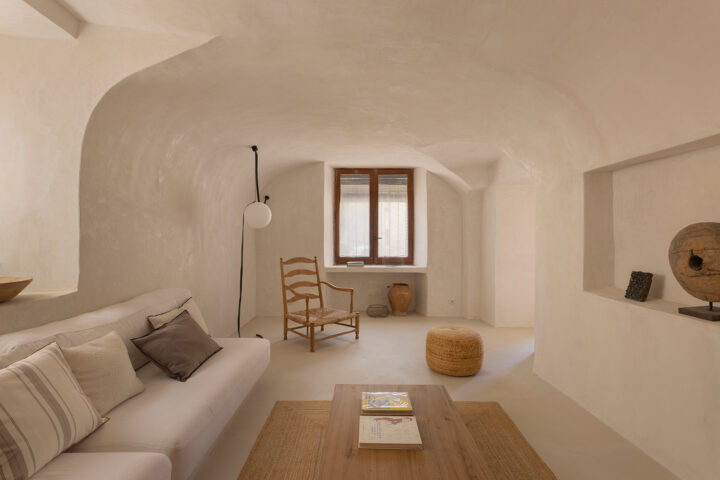
Clay floors, once again taking centre stage in interior design for their beauty and their natural, artisanal character, are the key to this house's new identity.
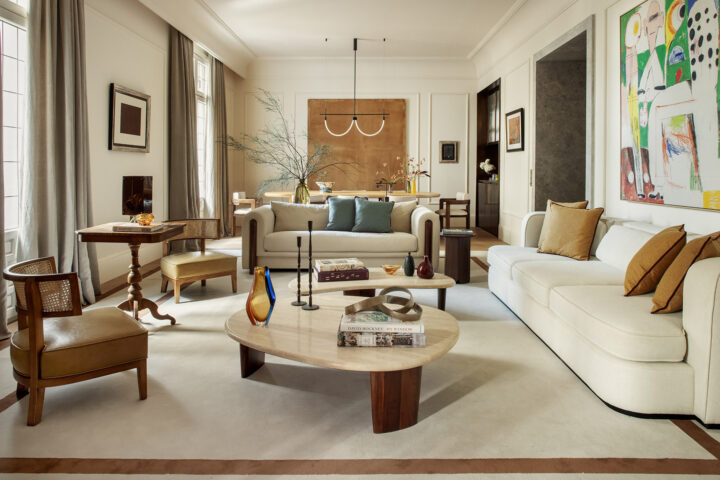
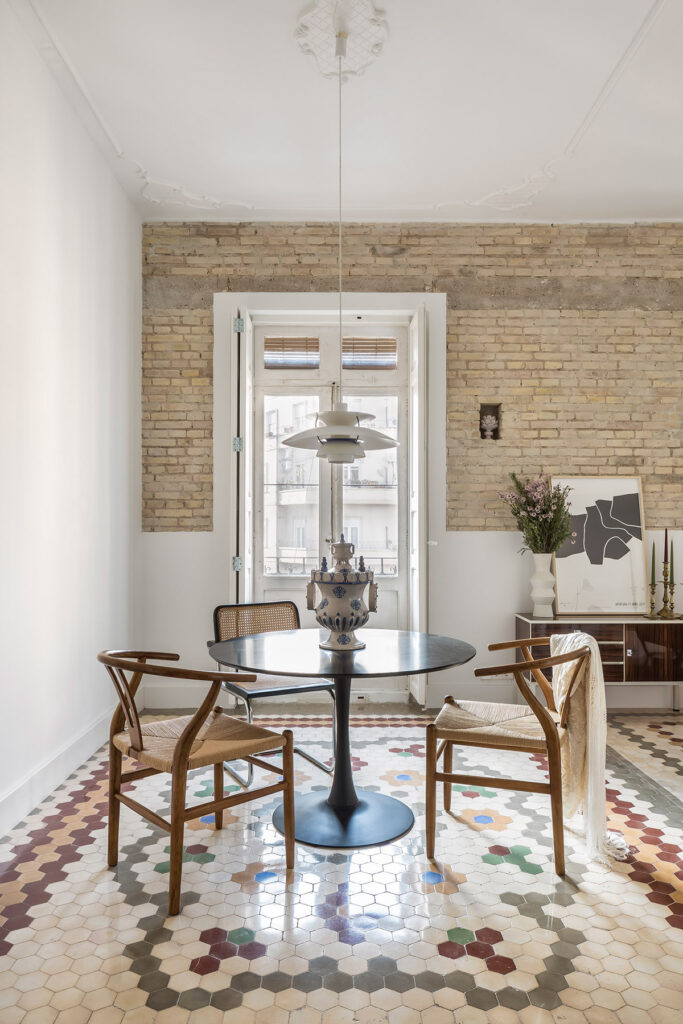
A conversation between two eras: the legacy of a building that Madrid took decades to accept as its own, and a contemporary way of understanding space, light and domestic life.
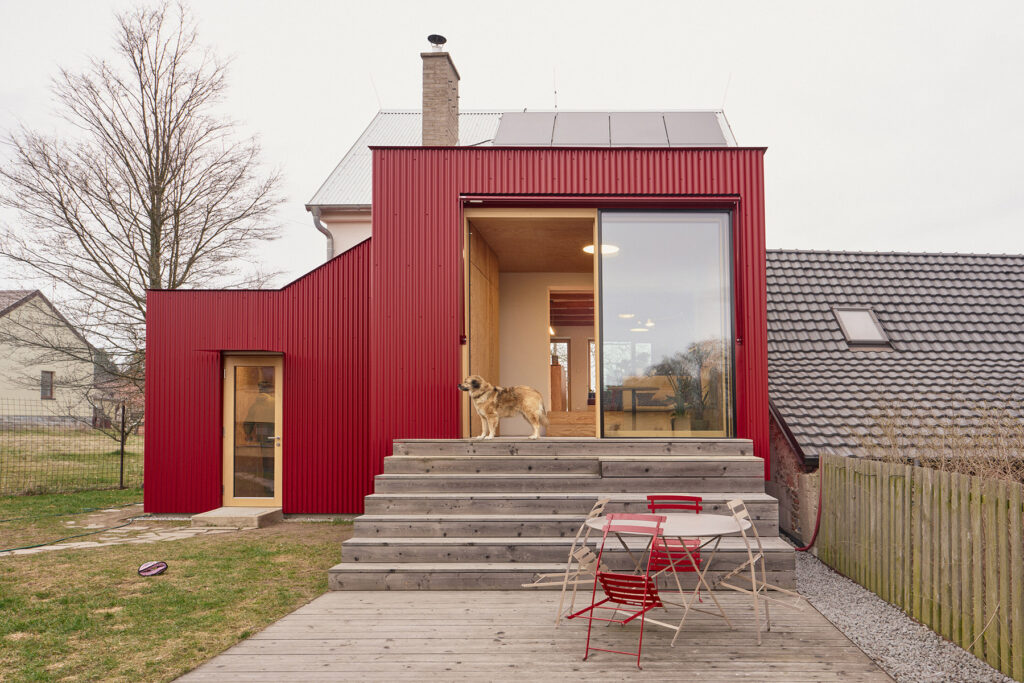
The house is once again part of the village's life. Its rubble-stone walls, the red carpentry –memory of its seafaring origin– and an architecture that came close to disappearing, find in this new contemporary version, a reason to remain standing.
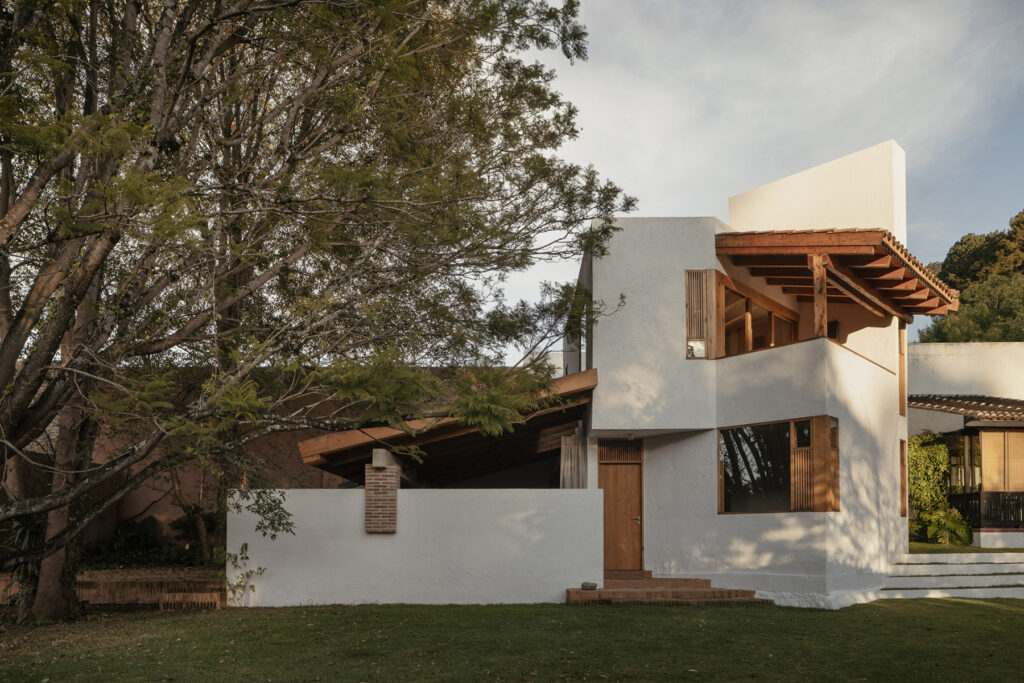
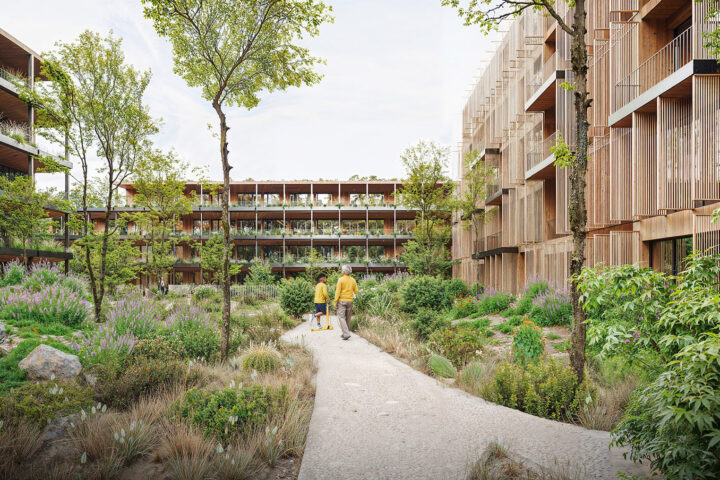
Compactness, selective closure, the courtyard as the heart of domestic life and a scale that respects the landscape are translated here into a contemporary language.
An intervention that understands respect for heritage as something beyond immobility. "To pay homage to a building means giving new life to the space, capable of connecting with and inspiring the citizens of this particular moment in history." Zubiria comments.
The UIA World Congress of Architects brings together 10,000 professionals and 30,000 attendees around heat, housing and the materials of the future. Photo: Arnau Rovira.
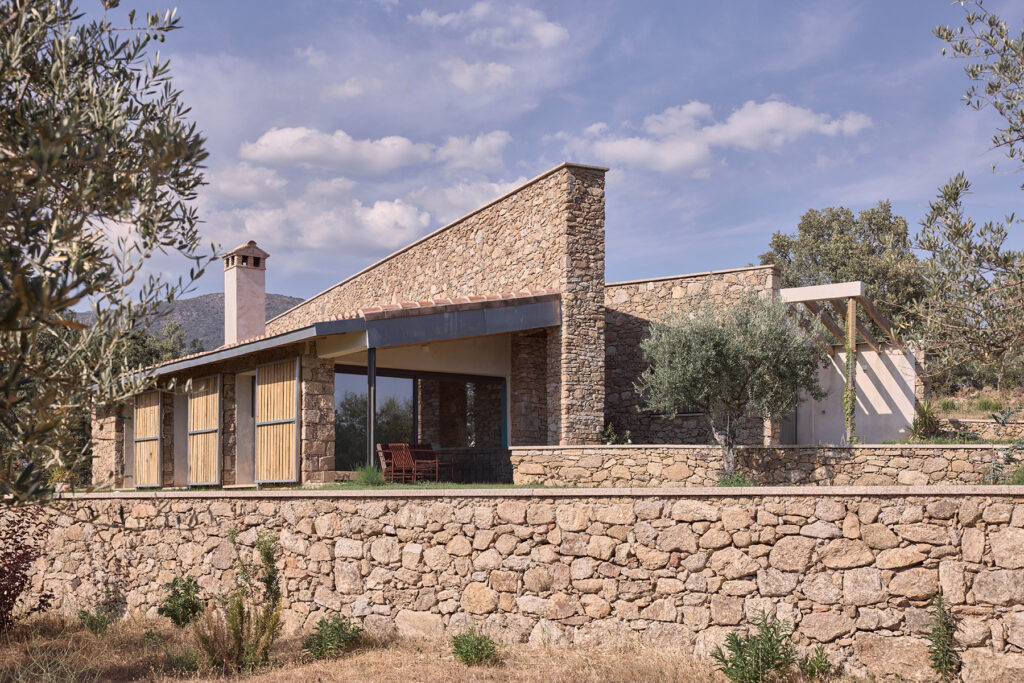
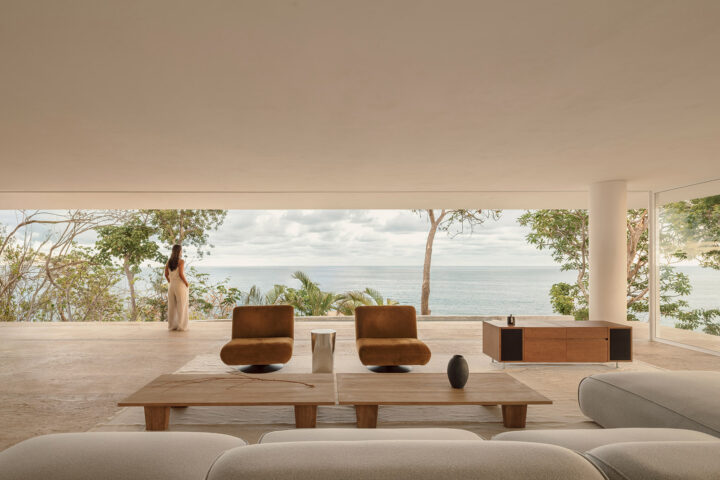
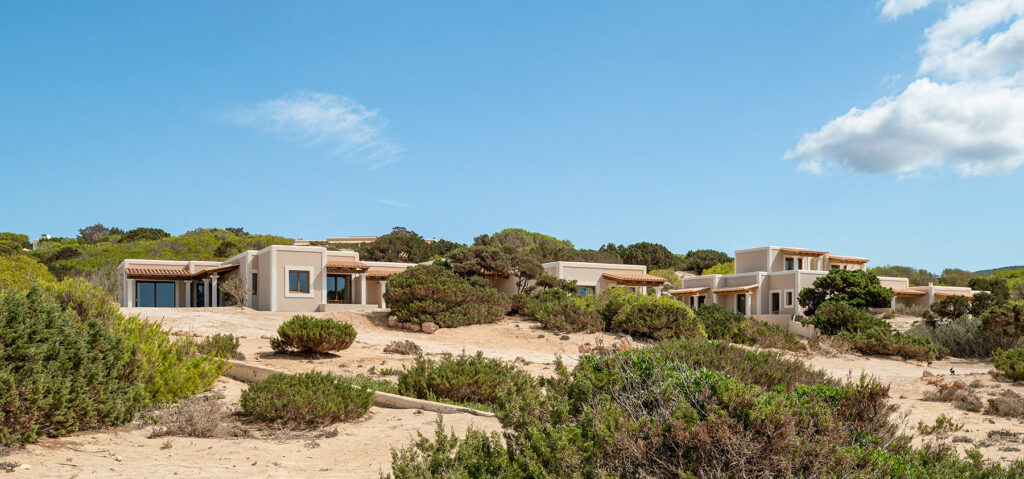
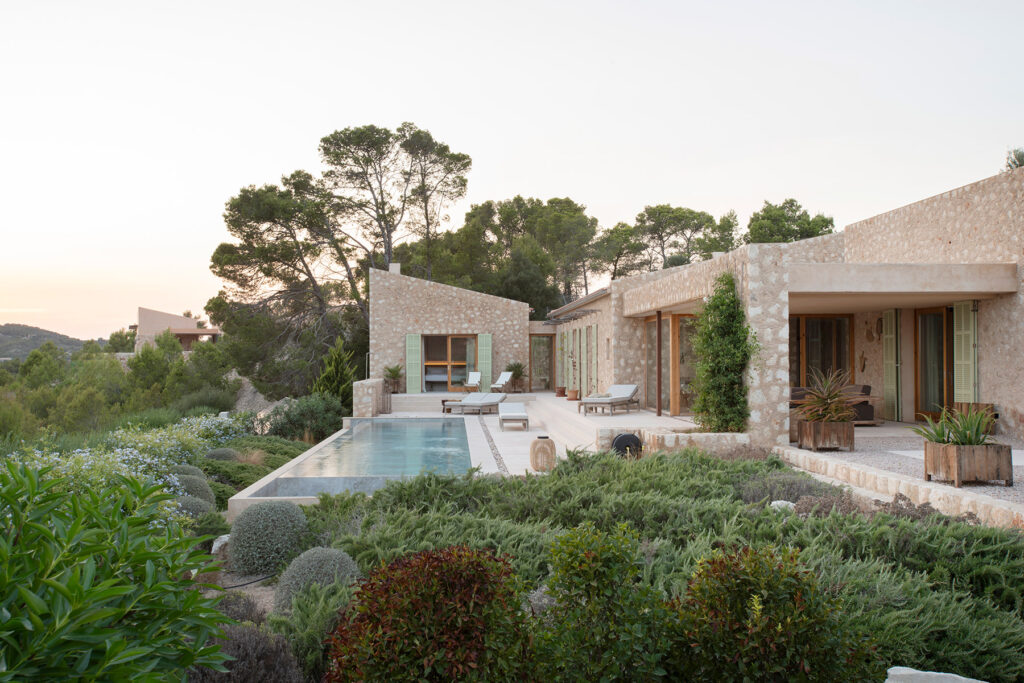
This project by Zurita Studio + Kalibra Arquitectura distils a chosen position on how to inhabit the south, as physical experience rather than image, as sincere acceptance of heat, shadow and matter that ages.
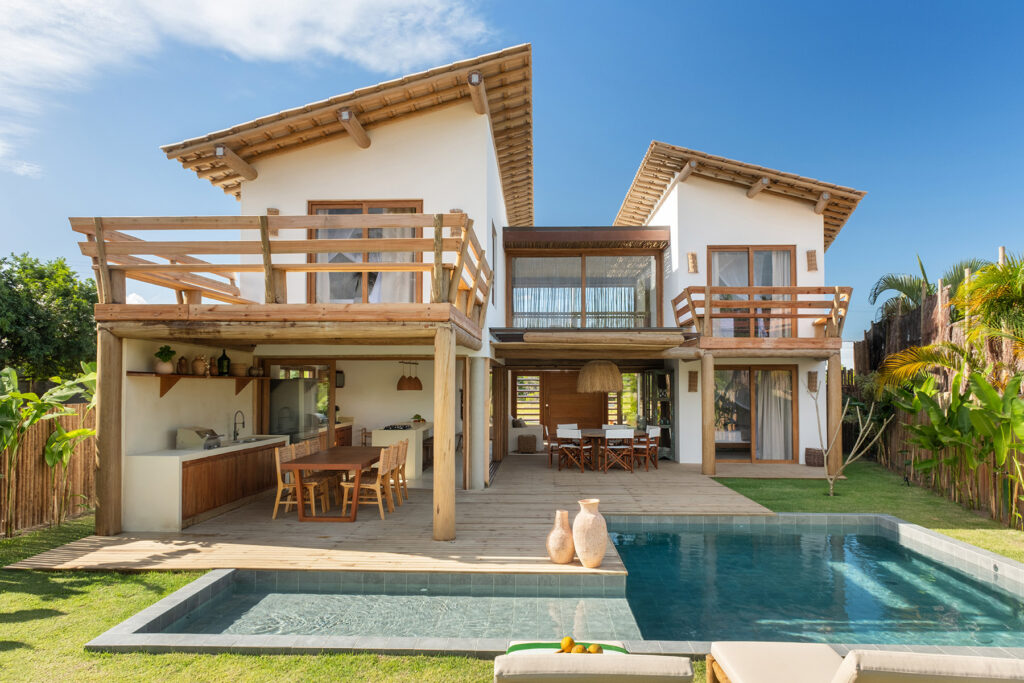
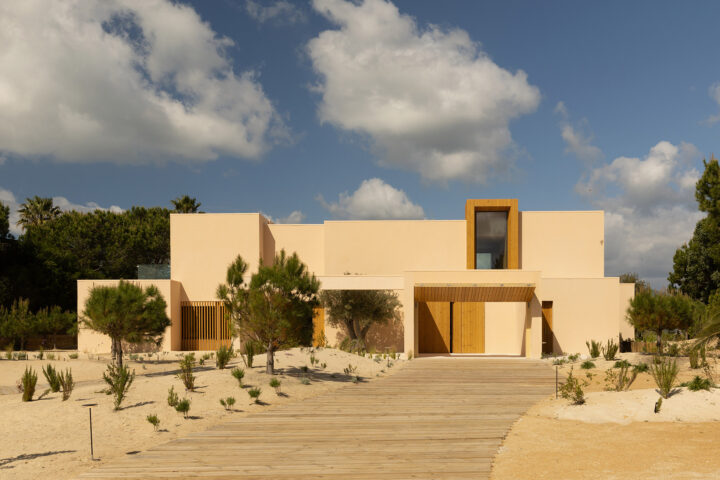
In Villa Arena, every space fosters intimacy and togetherness, with new solutions and materials native to the Mediterranean style, in pursuit of calm and enjoyment.
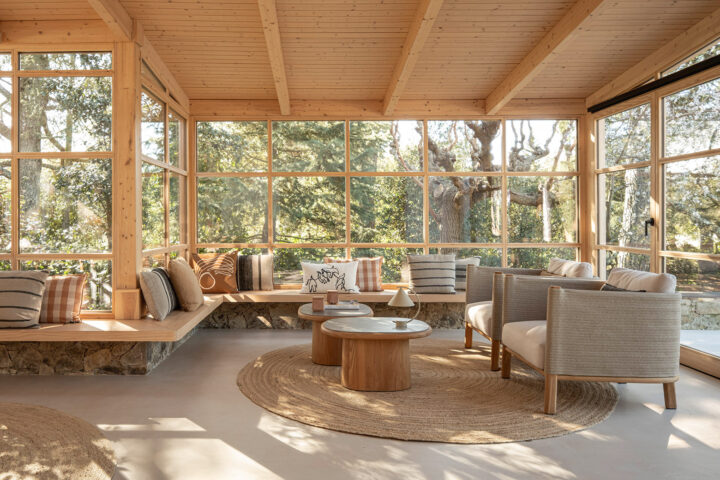
An architecture that engages conceptually with the exterior immensity of the Mascarat Canyon, developing the house as a sequence of filters between the body and the landscape.
The intervention takes the character of the place as its design material and turns it into a fresh, liveable space that is coherent with the surrounding landscape.
In Casa Macedonia, Emiliano Domingo proposes an interior design with a theatrical character, where each element forms part of a set, designed to transform the domestic experience and give each room its
A house conceived to inhabit calm, where sophistication lies in the accumulated process of decisions, materials, proportions, pieces, scale, and in how those decisions quietly step aside when the inhabitants arrive, making
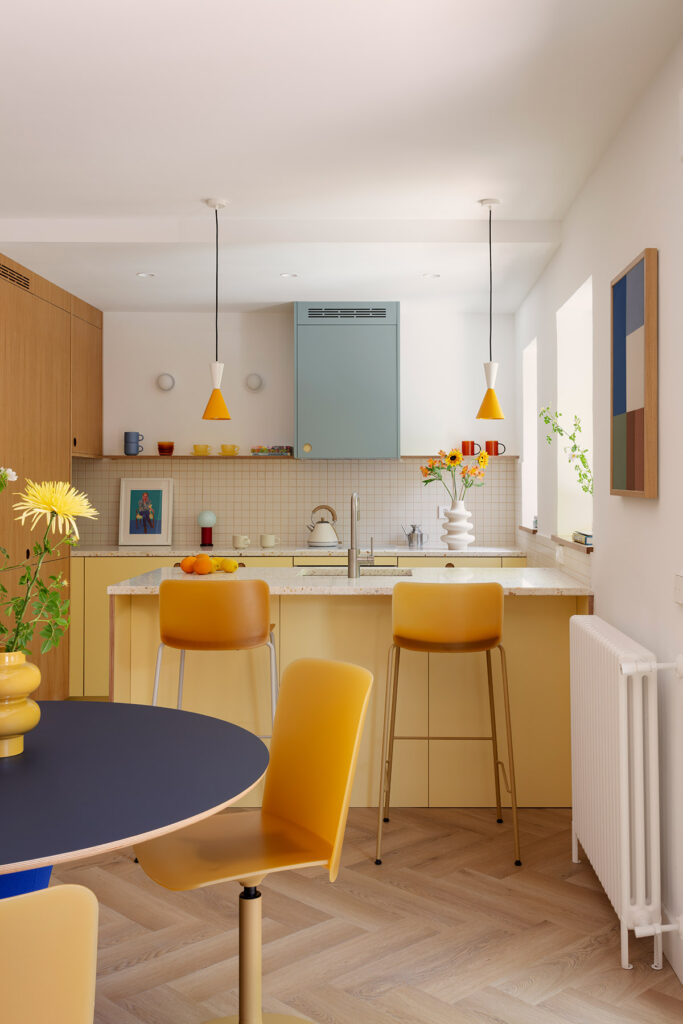
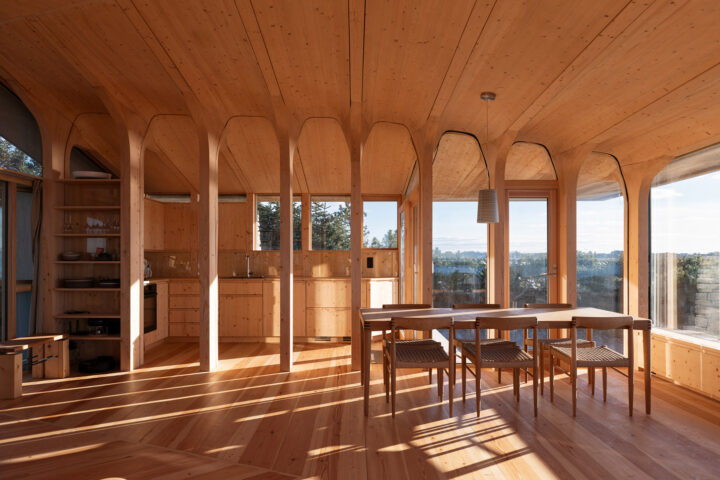
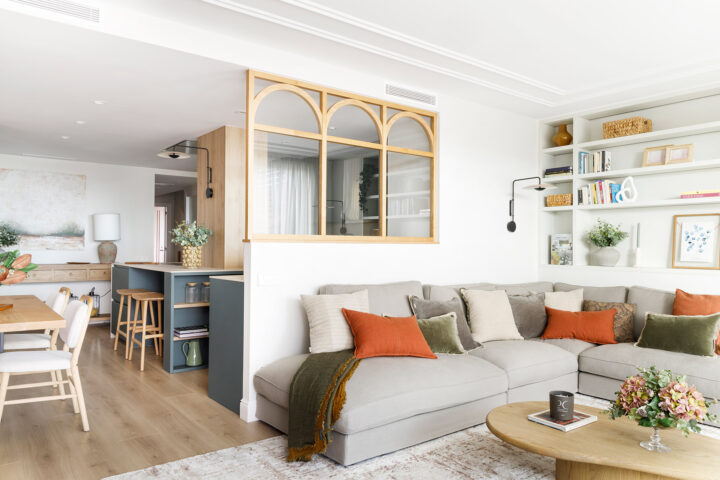
The result is a home where every design decision strikes a balance between aesthetics and use. Light, materials and the new layout produce warm, comfortable and deeply liveable spaces.
A system of floor-to-ceiling sliding doors, executed in different materials, textures and colours, transforms the former corridor into an open, continuous sequence.
Outdoor luminaires with decorative intent and technical rigour, capable of generating characterful atmospheres without compromising visual comfort or the nocturnal ecosystem.
There are people whose work becomes part of daily life so naturally that it ends up invisible — not through irrelevance, but because it has settled into the landscape so firmly that we no longer look at it: we inhabit it. Pepe Cruz Novillo was one of those creators.
Beyond a new section within the fair, Raritas signals a shift in perspective. Design is no longer defined solely by its capacity for production, but also by its ability to generate meaning.
Kodu is built on the intention of opening design to a freer, more emotional dimension. Its universe unfolds through a visual narrative that draws from the language of fashion, scenography, and a
Inspired by the sculptural language of Eduardo Chillida, the new collection designed for Expormim explores the relationship between matter, void and landscape through a series of dining and coffee tables conceived as
Its aim is to structure an ecosystem where brands, emerging studios, galleries, publishers, artisans and agents connected to object design, lighting and new materials can coexist.
The new designs evoke this visual legacy and enter into dialogue with the music of Bossa Nova: strokes that suggest, patterns that slide like chords, vegetal waves that repeat visual cadences, colors
Coordonné presents its new collection of ecological paints—a chromatic manifesto infused with Mediterranean spirit, sustainability and timeless beauty.
The space Bosque Kalasin is a sensory experience that invites reflection and wellbeing. It shows how design can transcend functionality and become a form of art that reconnects people with nature.
Zellige is a type of handmade mosaic tile that is characteristic of Hispano-Arabic architecture and dates back to the 10th century in Fez (Morocco). These tiles are glazed by hand and cut
With this collection, Gancedo joins the trend of designs based on artists' paintings or canvases, with handmade prints that bring individuality and texture to flat surfaces.
The Morris & Friends collection celebrates the under-recognised work of 19th century women artists such as Kate Faulkner (1841-1898) May Morris (1862-1938) and Kathleen Kersey, active in the early 20th century.
"Although today my voice finds its channel in clay, that inner need to communicate has remained constant; the only thing that has transformed over the years is the medium."
Born in Medellín, Colombia, and based in the United States, her work — vessels, wall pieces, and organic sculptures — occupies that diffuse territory where art and design meet without either one yielding ground.
They hold time in an almost physical way, preserving the imprint of the hands that built them. These are ceramic pieces made by hand, through slow techniques, in a small studio in the heart of Athens. Photo: Giorgos Vitsaropoulos
To return to the origin is not to go back; it is to recover the pulse of what we are. These pieces are the result of that search: an attempt to capture the memory of the earth and turn it into an object. In them, the strata and the textures are not merely technique — they are the echo of the territory I inhabit, transformed by fire and time into a geology of its own.
Inspired by Japanese aesthetic concepts such as wabi-sabi, her painting proposes a quiet and restrained gaze in which texture, emptiness and gesture become tools for transforming personal experience into visual presence.
Beyond the logic of rapid production or the aesthetics of the perfect object, the work of Pascale, founder of Oikos Estudio, is the result of a slow and direct relationship with matter.
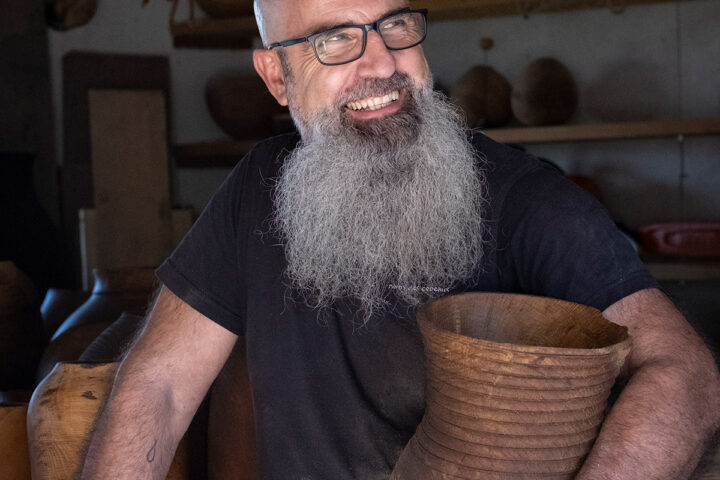
In Aitor’s work, matter is a living interlocutor. Each piece is born from a dialogue with wood — with its time and its tensions, with the memory the tree holds before becoming
Her work will be on view at Gancedo’s showroom — exhibition “In constant movement” — at Kutrix Gallery — the exhibition “enLANA2” — and at Fiesta Design, where she will participate in
The Segovian firm creates artisanal textiles from first-quality natural fibres, woven on hand looms by skilled hands, one by one, with the conviction that well-made objects not only last, but transform, grow
Oak, walnut, kambala or chestnut, each species is chosen for its behaviour, its visual presence and its capacity to endure. The Lisbon workshop works with traditional cabinetmaking techniques and Japanese joinery that
“Creating is not a quick or immediate act: it is a process that demands care, patience, and respect for the rhythms of the material.” This attitude runs through all of her work
Her ceramics do not seek the spectacular gesture or immediate affirmation. Each piece is made one by one, where the action upon the material is, above all, an act of listening. “When
Silvia’s pieces do not seek symmetry or geometric perfection; they reclaim the beauty of the living, the irregular, the things that seem freshly rescued from a remote time. Photo: Álvaro López del
Olivia Cognet reinvents the poetic experience of creation, shaping her vision through the purity of the material. This is the magic of the artisan, combined with the promise of a vibrant beauty
Each piece crafted by her hands is a tribute to the value of the local and the authentic—born from a dialogue between heritage and tradition and propelled by innovation toward the future.