
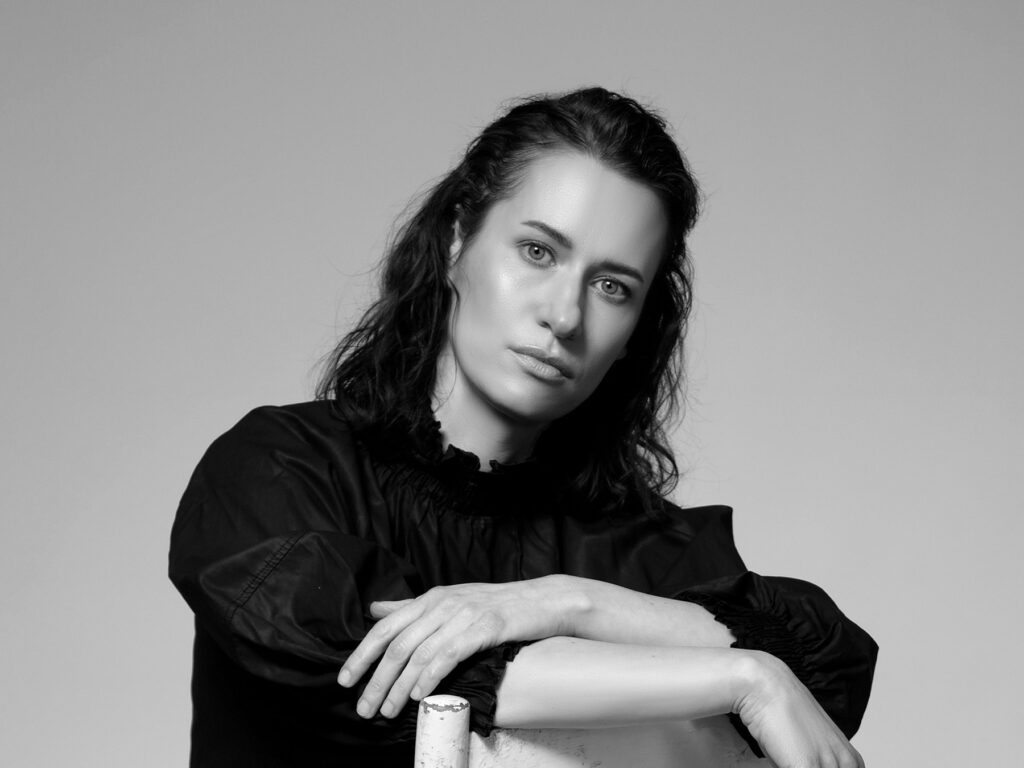
Looking back, I realise that my artistic journey has never been a straight line. It has been a process of searching, questioning, sometimes stepping away, and eventually finding my way back to the easel with a different perspective.
My fascination with drawing and painting began very early. As a child, I loved drawing female characters, often inspired by images I came across in my mother’s journals. Back then I dreamed of becoming a fashion designer. I was fascinated by shapes, silhouettes, patterns and the visual language of clothing.
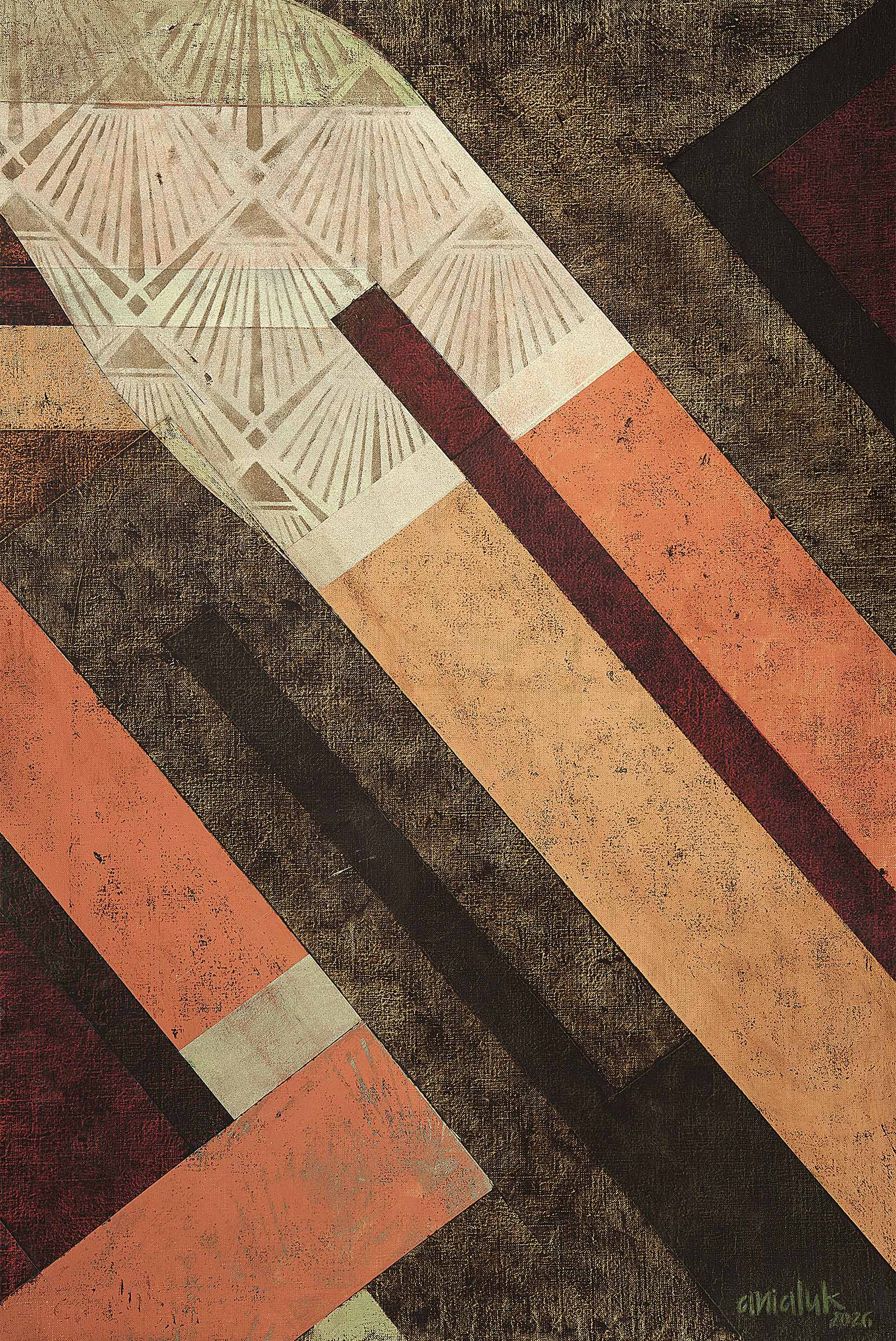
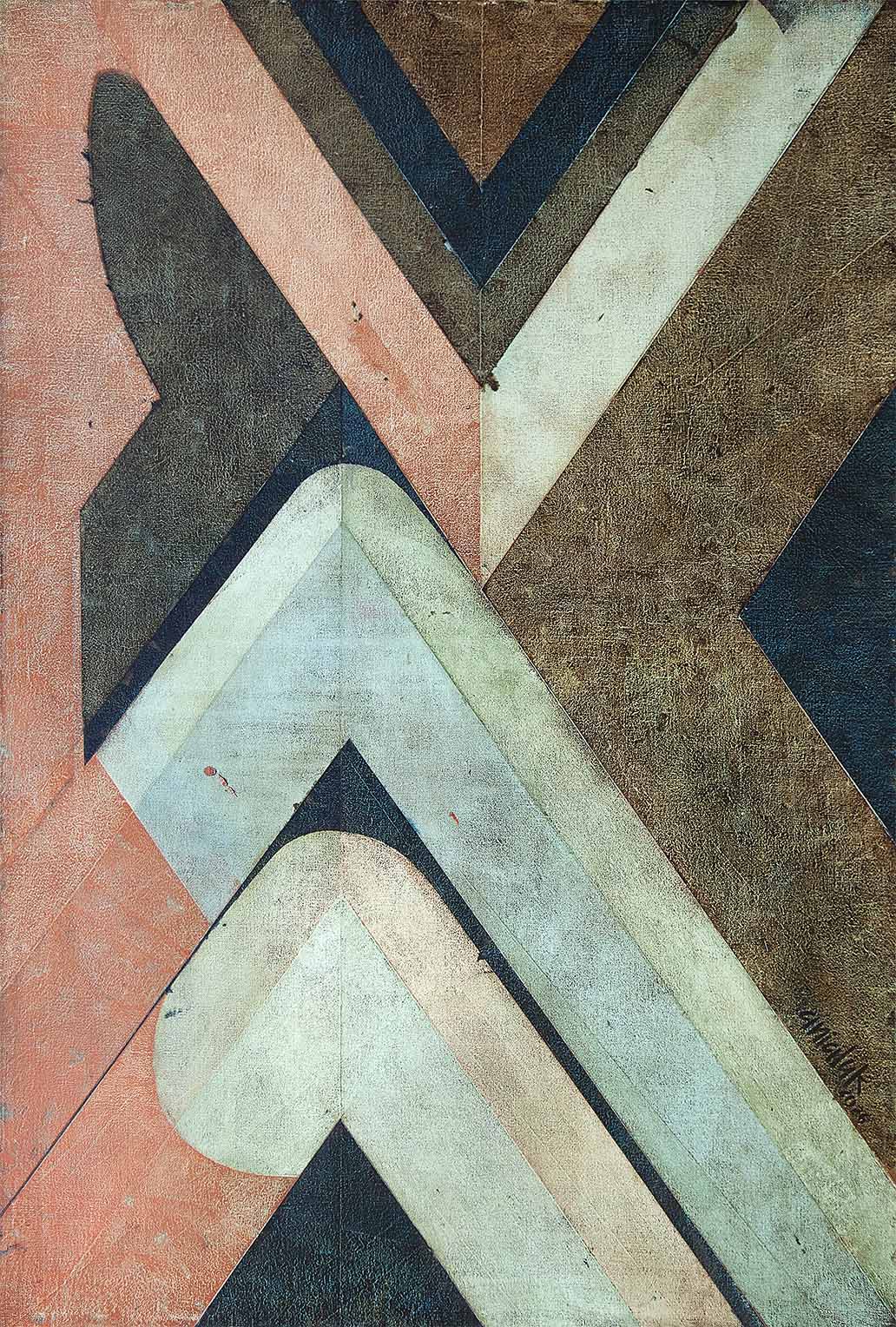
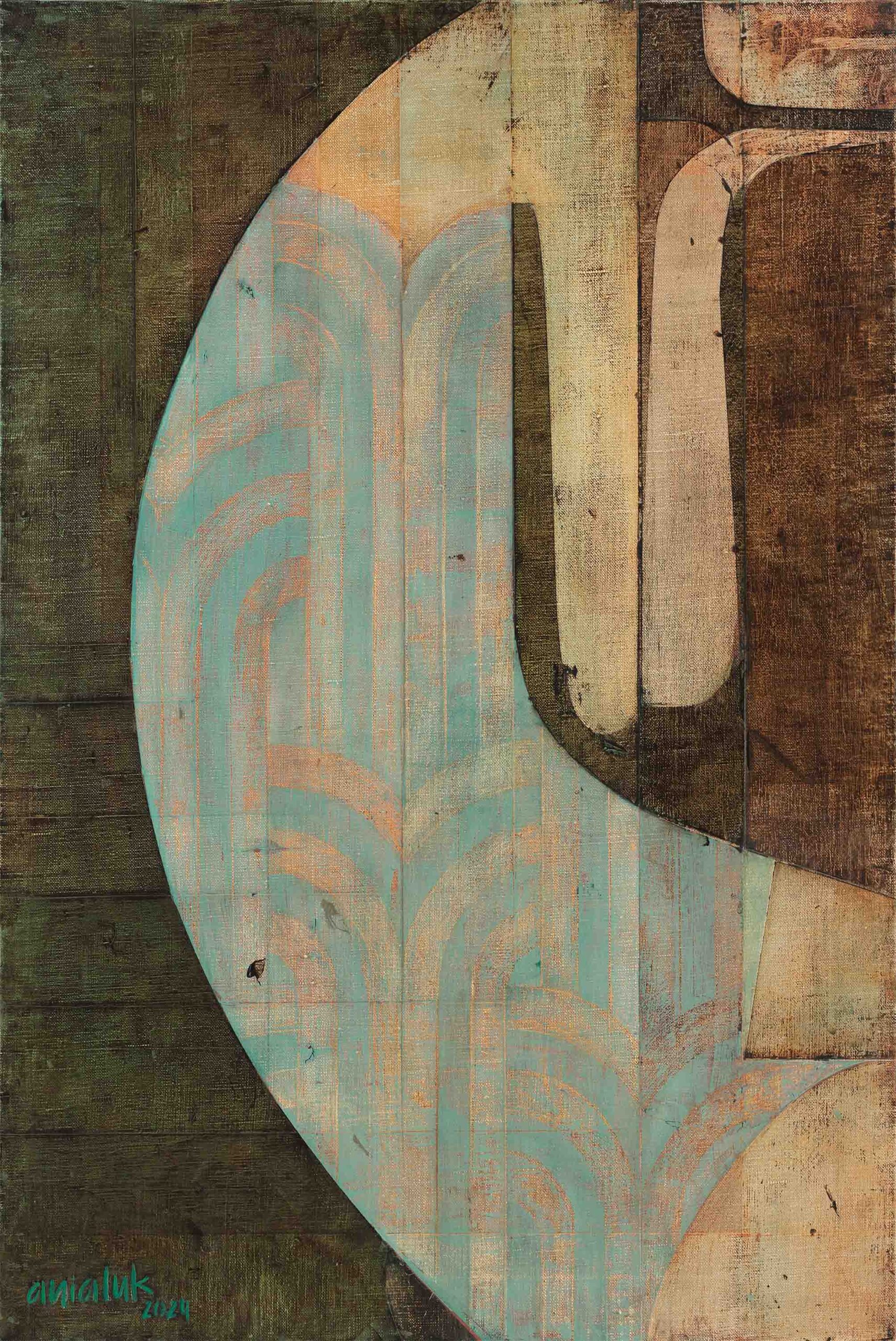
As a child born and raised in communist Poland, I was strongly influenced by my grandmother’s stories about her childhood during the interwar period. Her descriptions created an almost mythical image of a paradise lost in my imagination. I found myself drawn to the aesthetics of that era, particularly its geometric patterns and decorative elements. Traces of those early fascinations are recognizable in my paintings.
Attending various drawing and painting classes eventually led me to the Academy of Fine Arts in Warsaw. Those years were important not only because of the technical knowledge I acquired but, more importantly, they allowed me to develop both my creativity and my understanding of visual composition.
I also learned something that remains fundamental to my work today: an artistic technique is not something acquired overnight. It is built through years of practice, patience and self-discipline. I have always appreciated the traditional, almost old-fashioned understanding of an artist’s workshop, where craftsmanship matters and where the ability to create something meaningful comes from continuous work.
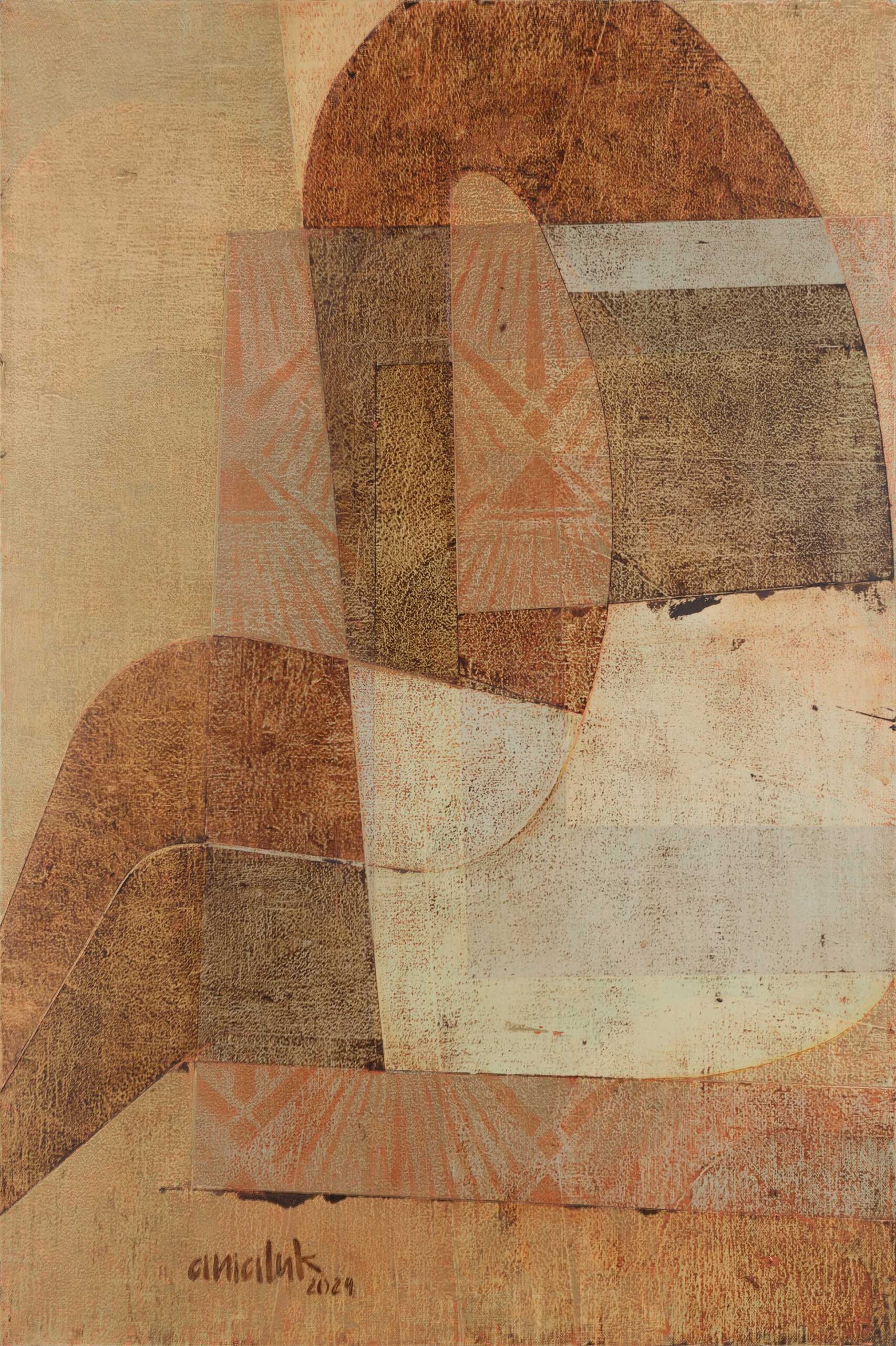
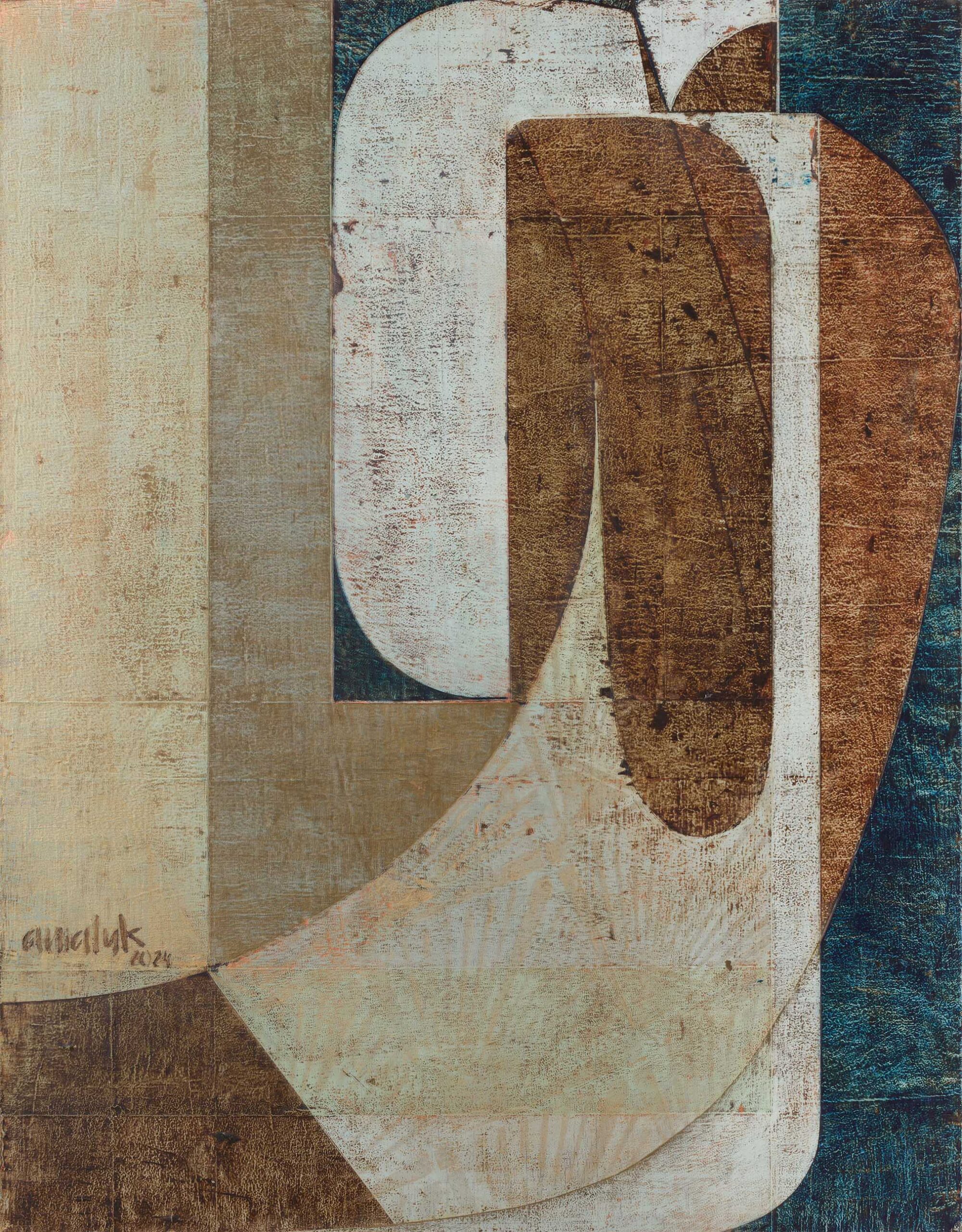
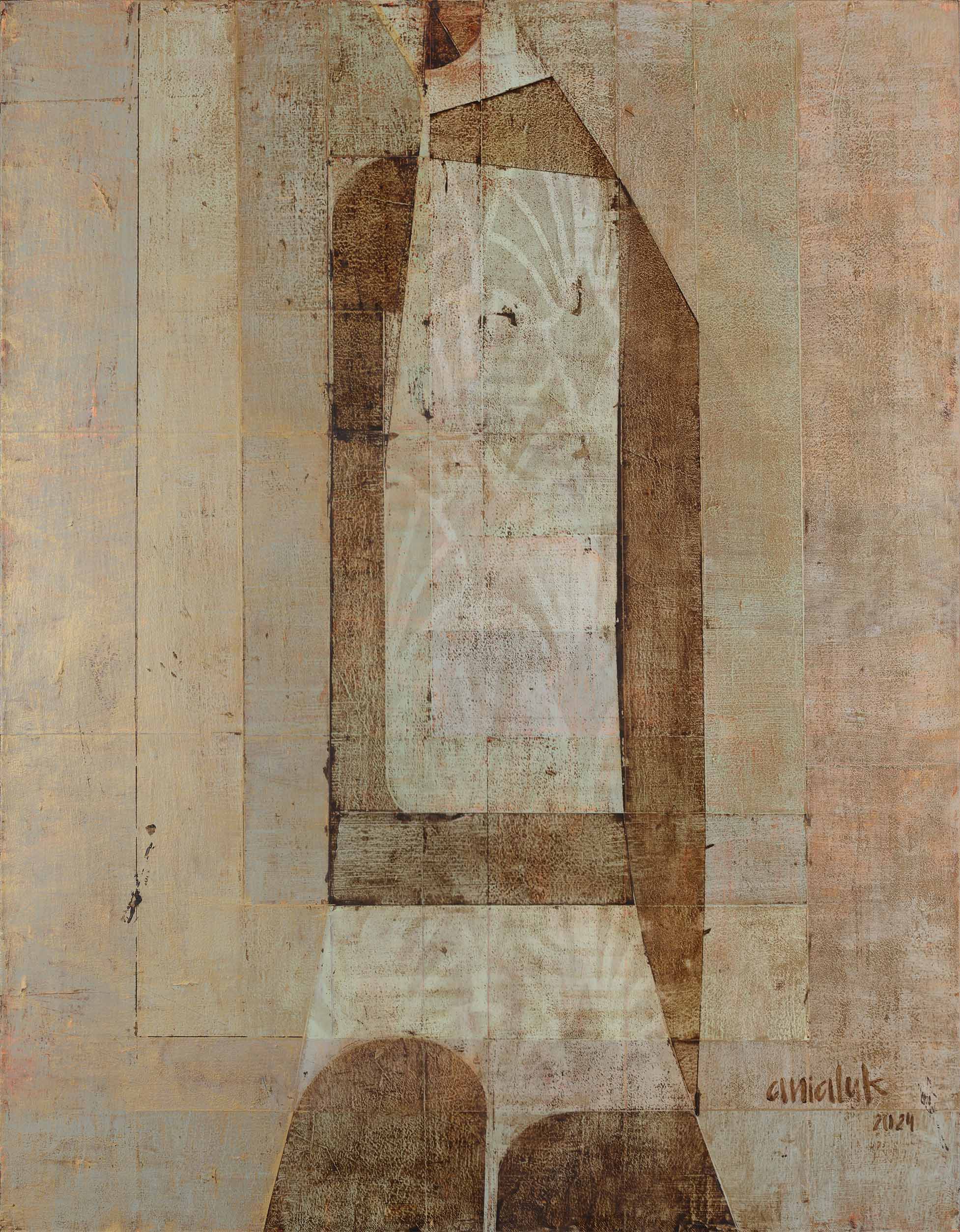
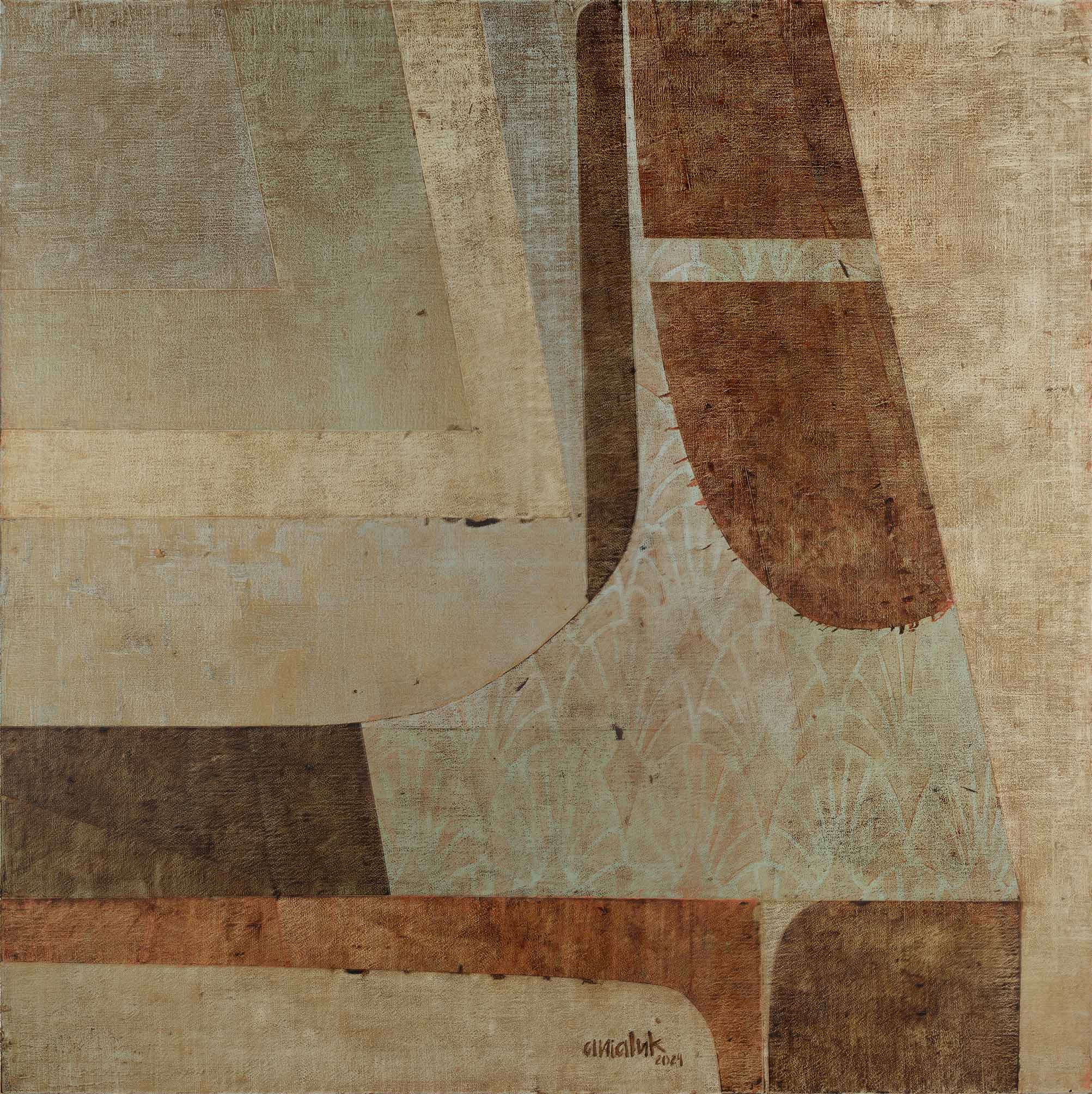
My artistic activity eventually went through a long interruption and returning to painting after several years away was, in many respects, like beginning a new chapter. Over time I began to understand that I was less interested in reproducing the visible world than in exploring what lies beneath it.
decorative quality of his compositions. I also find a profound emotional dimension in the paintings of Andrzej Wróblewski, while the art of Jerzy Nowosielski appeals to me through its spirituality and metaphysical character. Matisse and Picasso have also been important references in my understanding of form and artistic freedom.
I do not consciously try to imitate any of these artists. Their work has simply helped shape my visual sensitivity and my understanding of what painting can communicate.
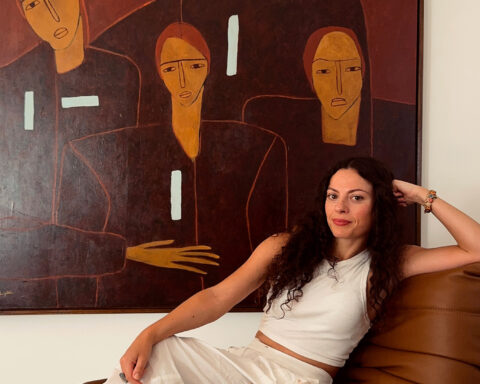
I am still developing a language of my own, but the female figure became a recurring subject in my art. Yet I have never been interested in portraying a specific individual. I see the body more as a metaphysical form, a vehicle for expressing emotions and something universal about human existence.
Faces in my paintings are either schematic, almost mask-like or partially and even completely concealed. I deliberately leave certain things unresolved. I want the figures to exist somewhere between reality and abstraction, between something recognisable and something that can only be sensed.
For me, geometry brings peace and order where there is chaos. Abstraction, on the other hand, allows me to disturb that order, alter proportions and introduce emotional tension. These two seemingly contradictory elements are constantly interacting in my work.
People sometimes imagine that an artist’s work is primarily driven by sudden inspiration. My experience is quite different. Painting is an emotional process, but it also requires an enormous amount of discipline. I do not wait for inspiration to arrive. I try to work regularly, maintaining a routine that allows me to remain connected with the creative process.
I have a studio at home, where I feel comfortable and can concentrate fully. I rarely make detailed sketches or plan a composition from beginning to end. Ideas tend to emerge in a much less predictable way. Sometimes a particular image, a piece of fabric, an old photograph or even a fleeting thought stays with me until I am ready to translate it onto canvas. However, the actual process of painting is quite methodical.
Lines are particularly important to me. Every single one has to find its proper place. I frequently spend a long time observing a painting that seems almost finished, knowing that something is still missing without being able to identify exactly what it is. Sometimes it hangs in the studio for days or even weeks while I look at it from different perspectives. Eventually, there is a moment when everything falls into place. I recognise the missing element, and suddenly the painting feels complete.
A menudo comparo este proceso con montar un puzle. Cada forma, cada línea y cada color tienen su propio propósito, y la composición solo funciona cuando todos los elementos forman un conjunto coherente.
I often compare this process to putting together a puzzle. Each shape, line and colour has its own purpose, and the composition only works when all the elements form a coherent whole.
One of the most important developments in my artistic journey has been the gradual simplification of form. In earlier works, I was more interested in fragmentation, movement and the dynamic relationship between individual elements. At some point, I began breaking the human figure into separate shapes, almost as if constructing an image from pieces of stained glass. Later, my attention shifted towards integrating the figure with its background, allowing the two to become part of a single composition.
Today, I am increasingly interested in perceiving the body as a collection of colourful surfaces, elegant shapes and ornamental lines rather than a form that needs to be anatomically described. This does not mean that my work has become less emotional. Quite the opposite. I feel that the more I simplify the visual language, the more space I create for subtlety and interpretation.
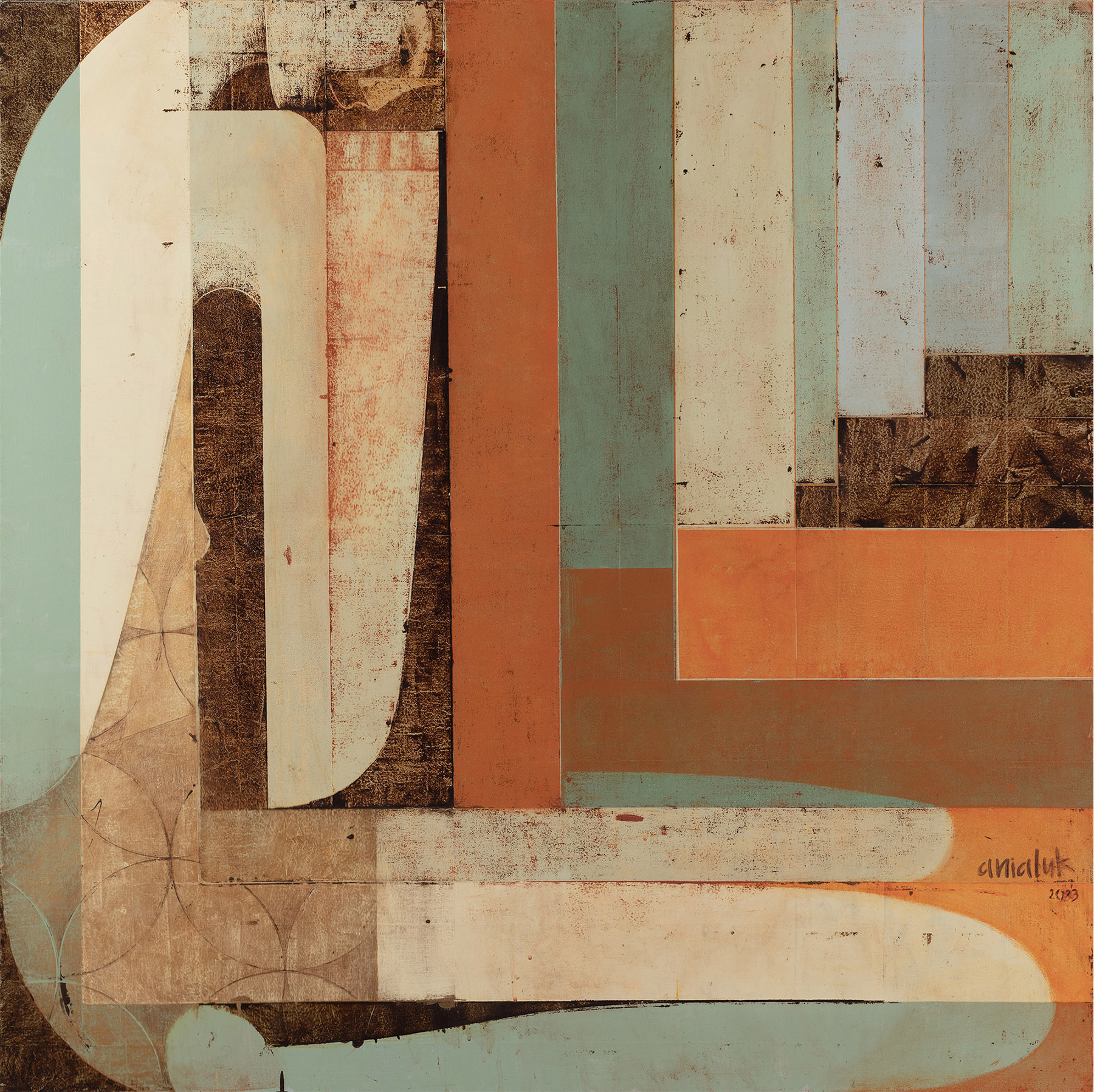
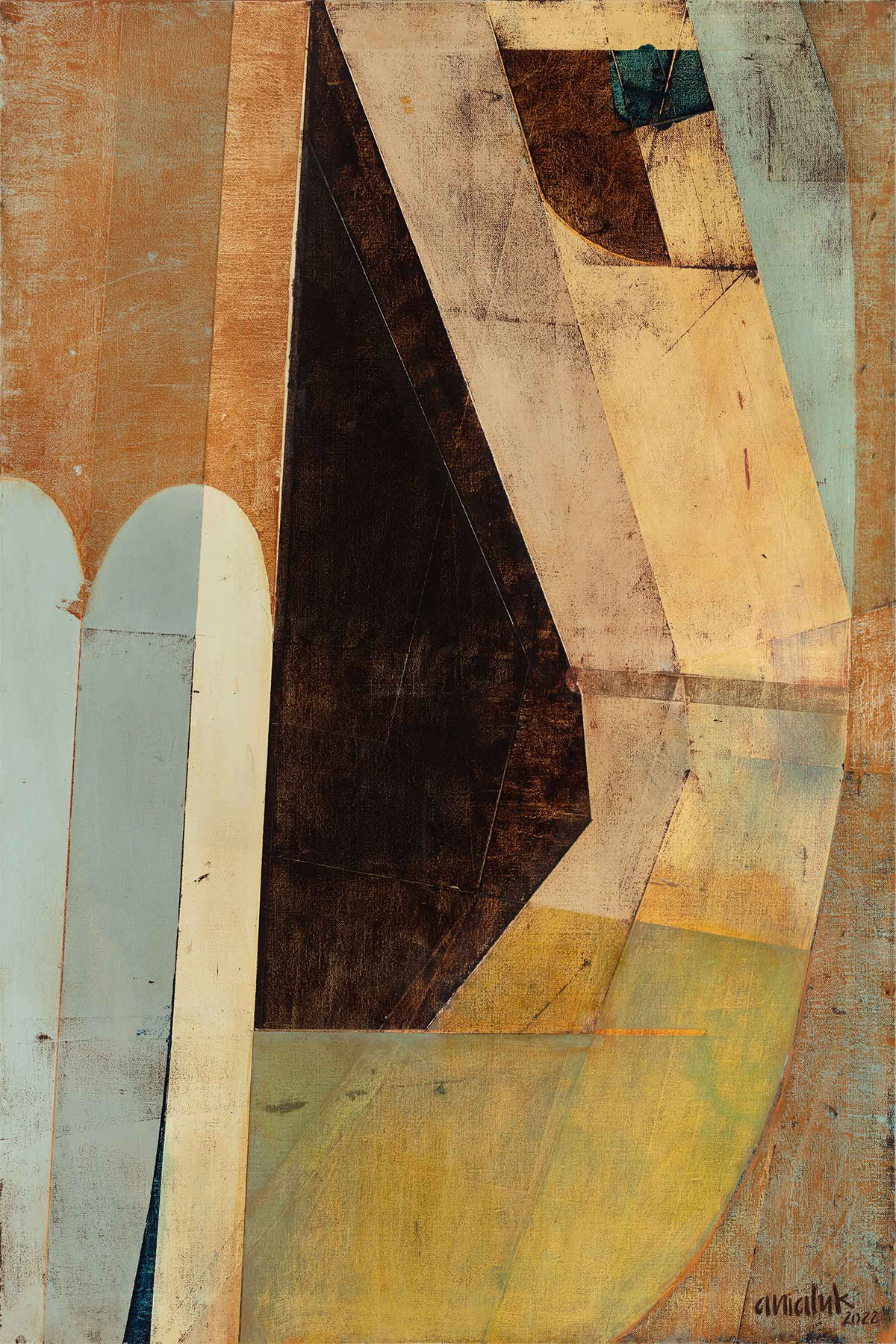
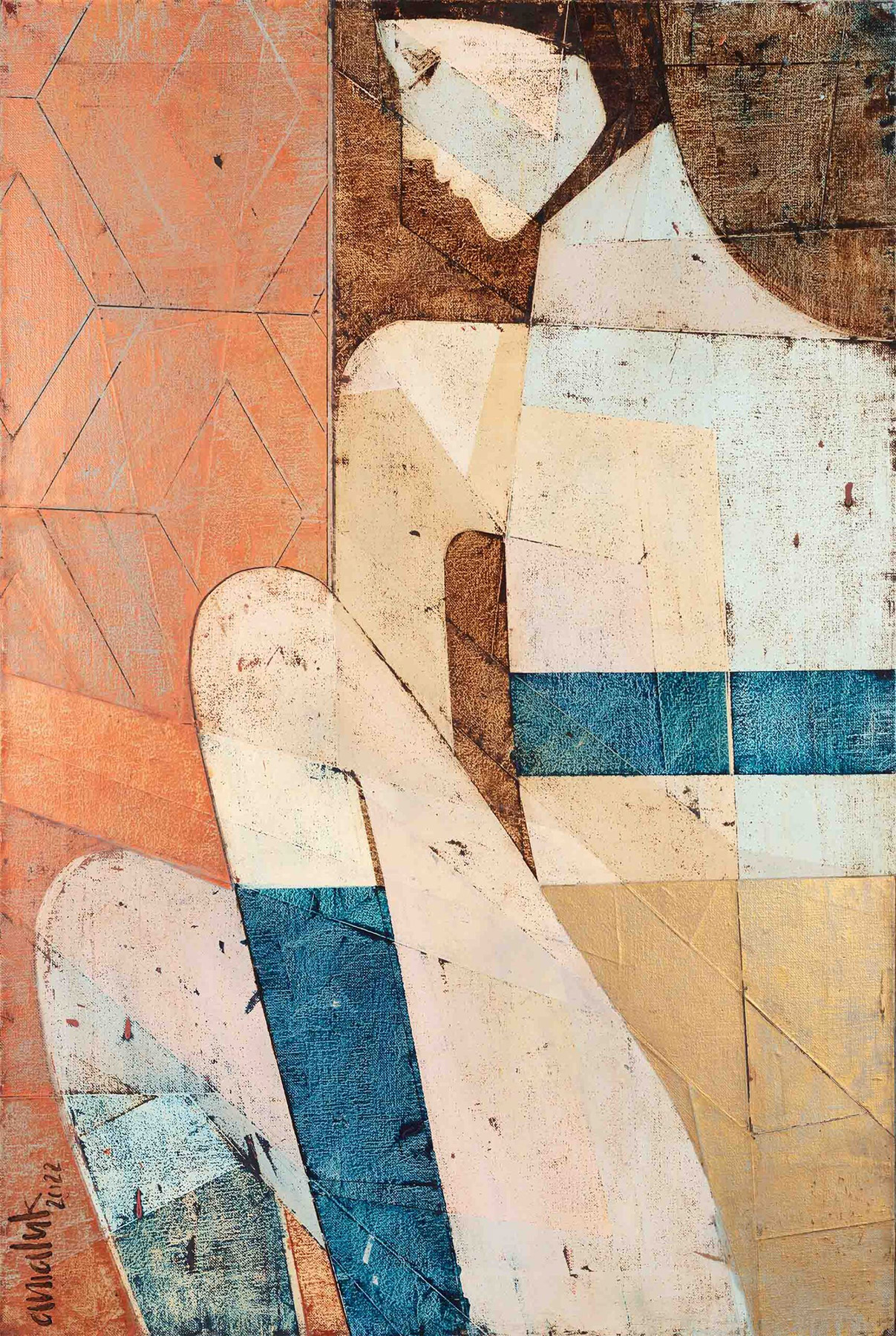
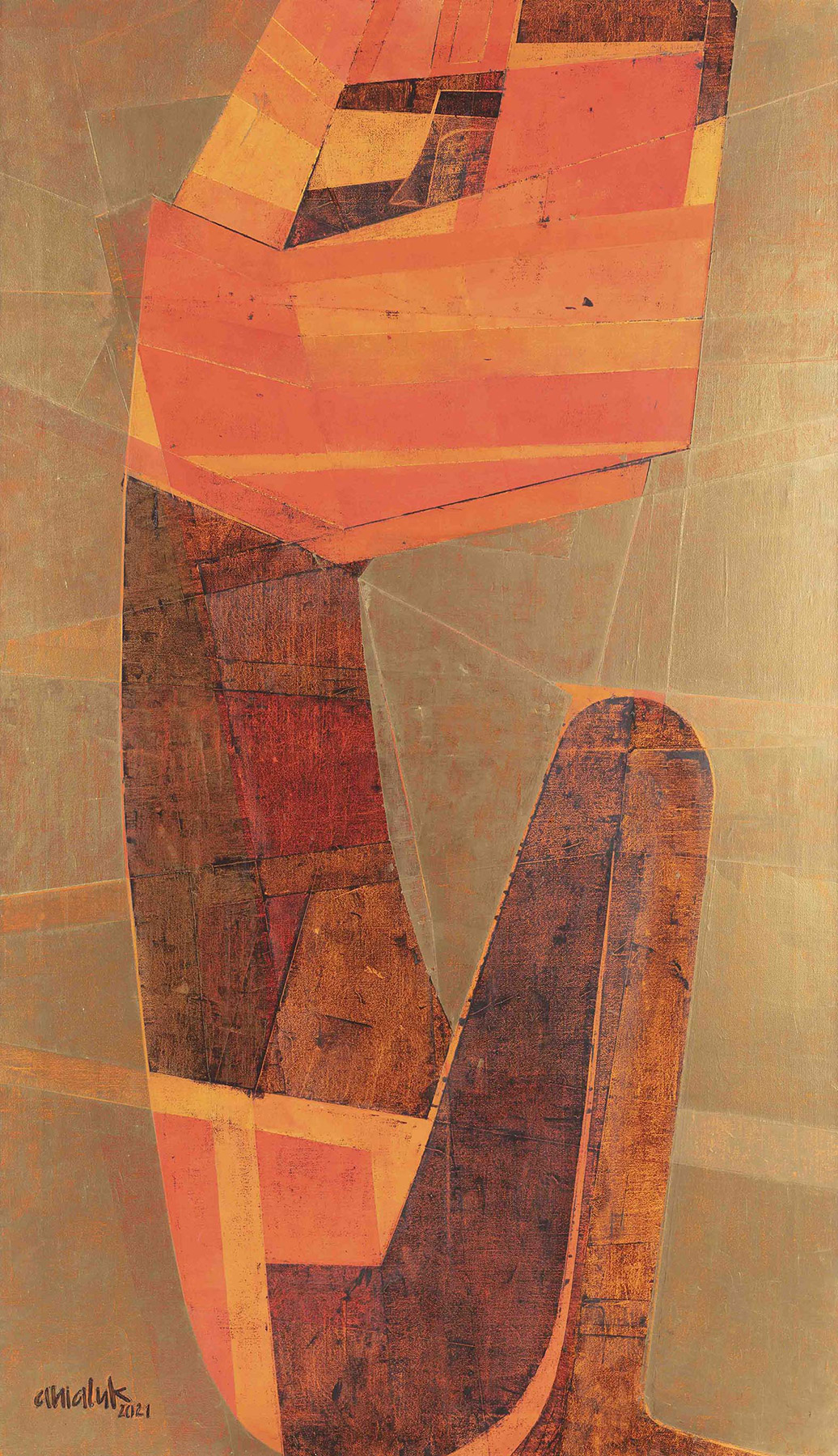
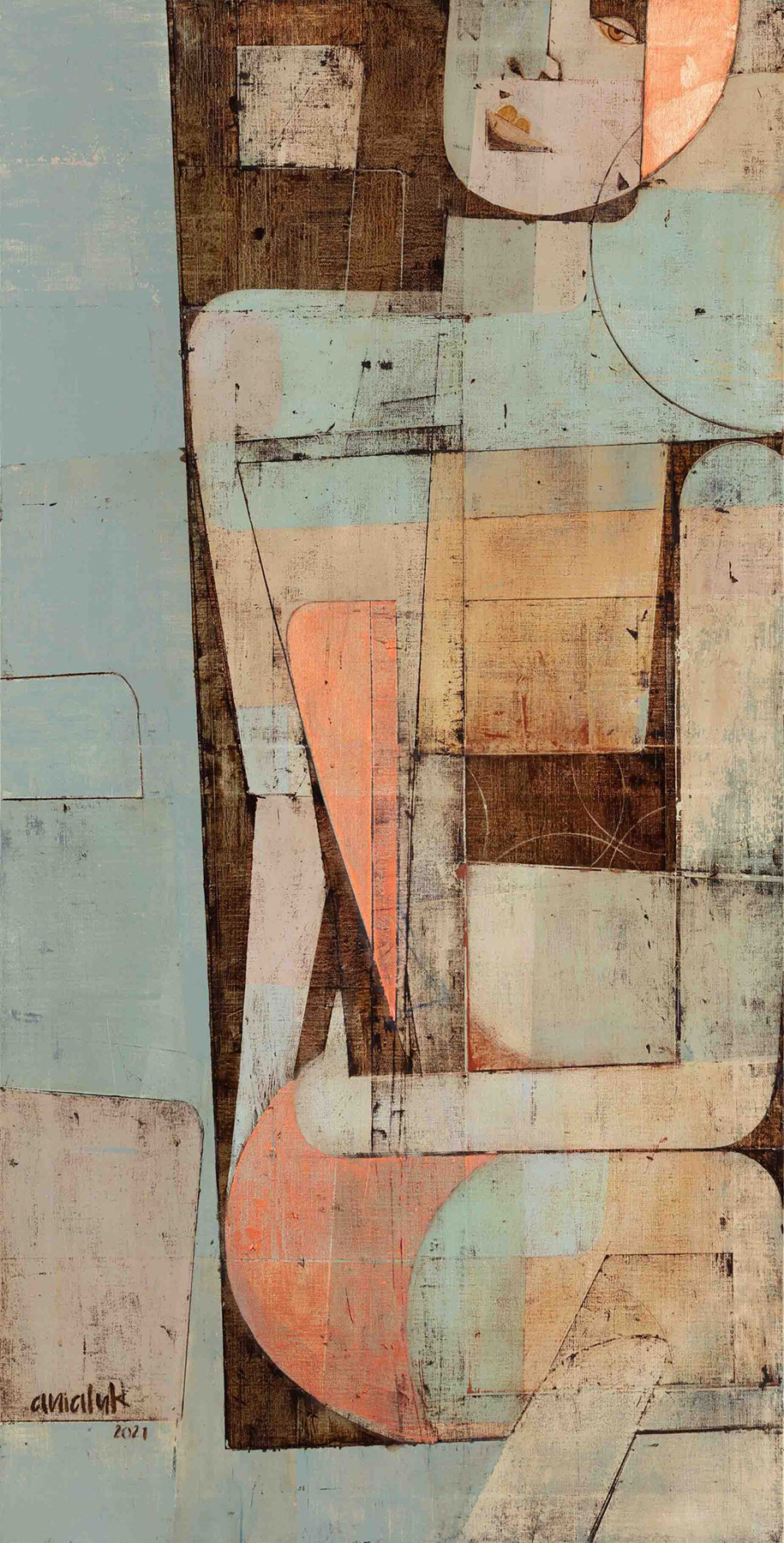
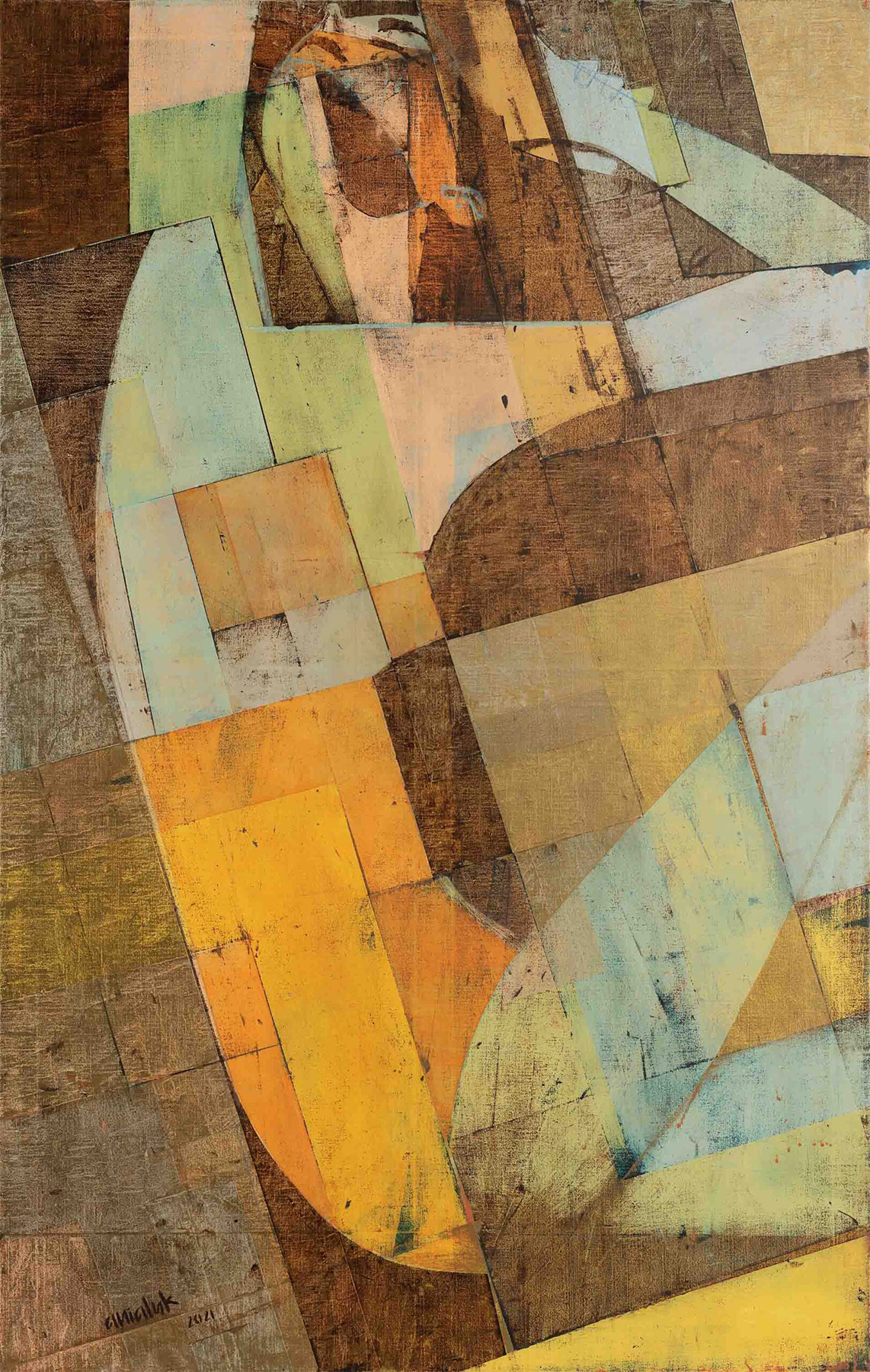
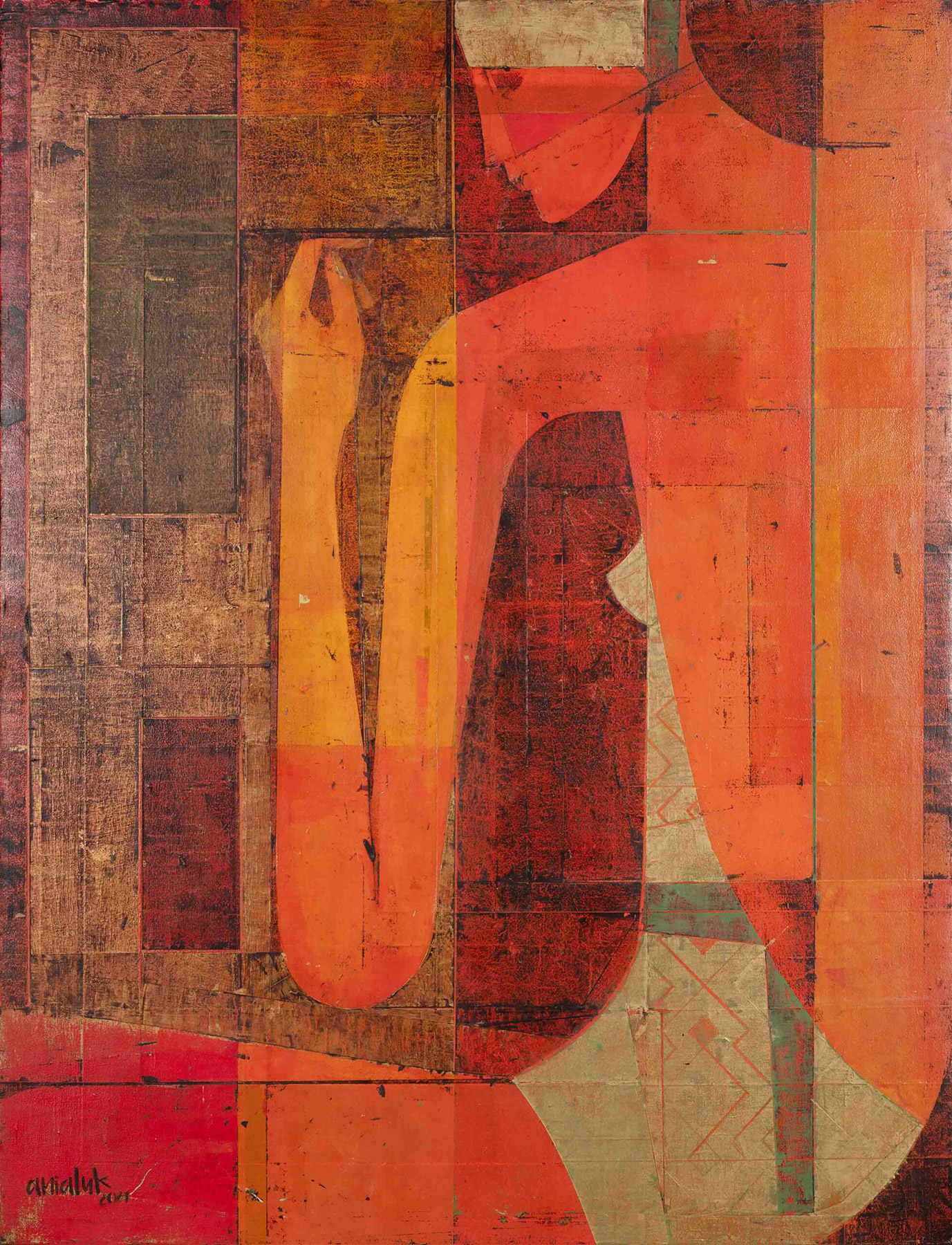
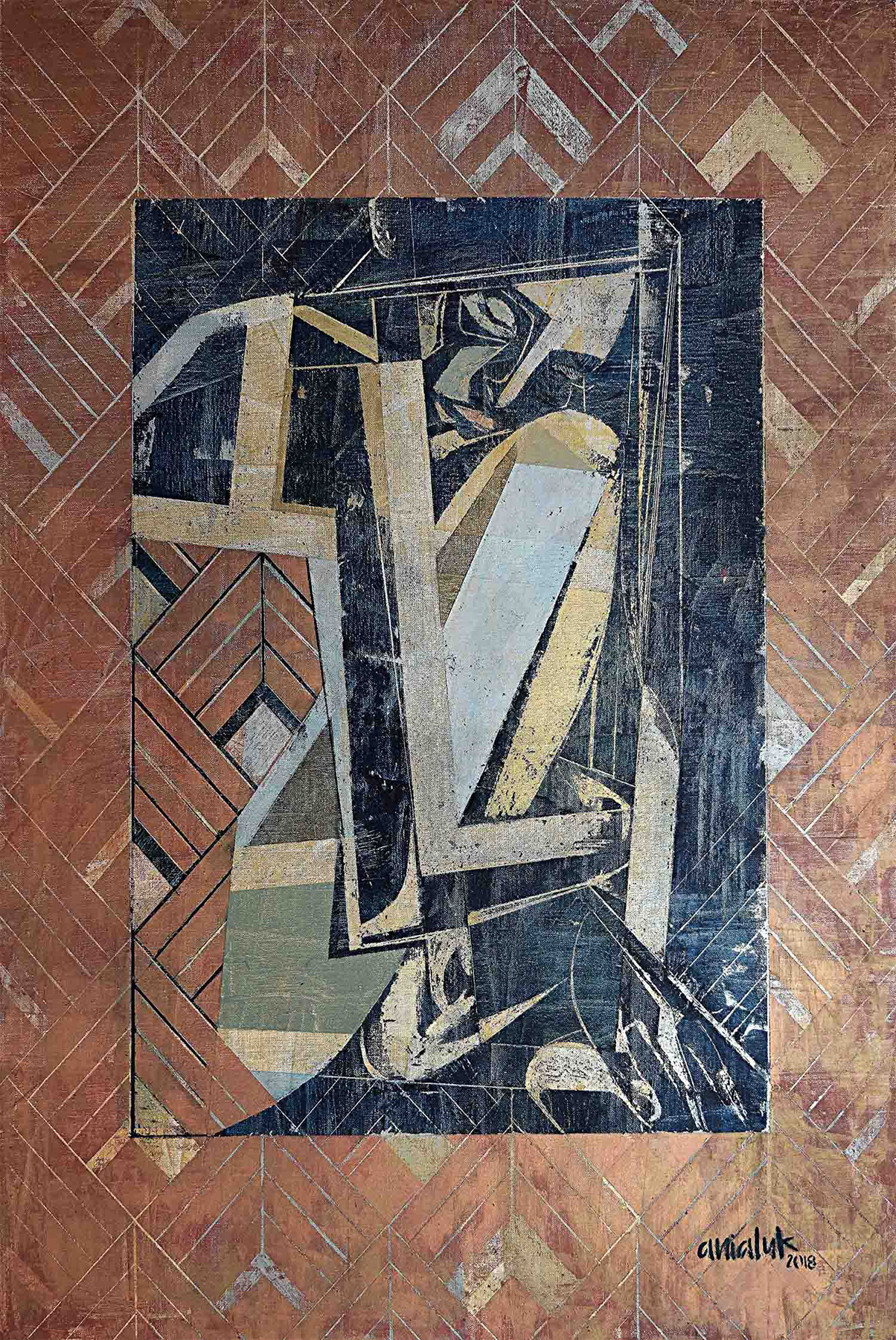
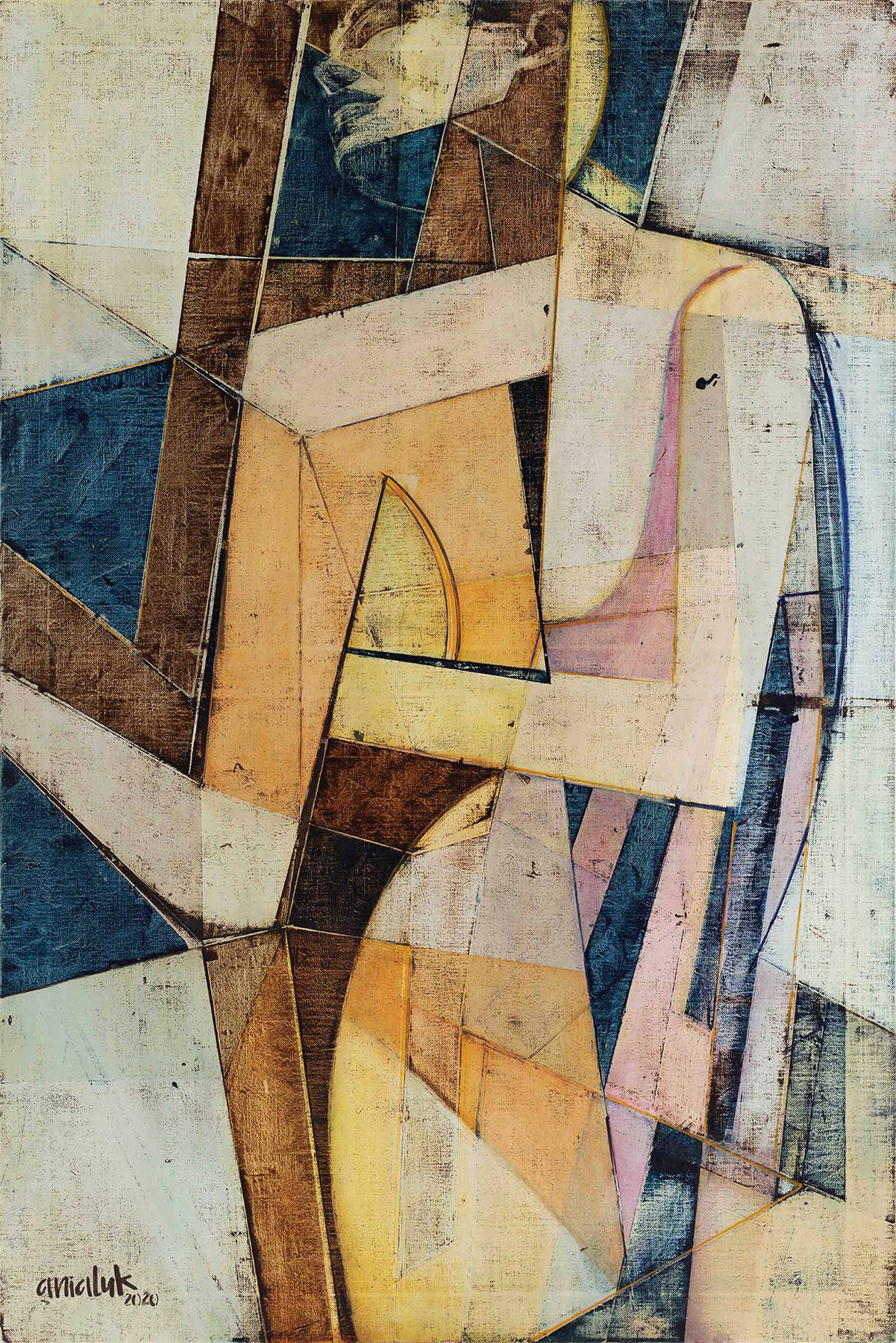
My colour palette has also evolved. I have become more selective in my choices. I tend to work with more restrained combinations, often bringing together luminous with darker, more defined elements.
With each new painting, I try to say more with less. It is a continuous challenge, because simplifying a composition without losing its expressive power is not necessarily an easy task.
I do not know exactly where this process will lead me. I still feel drawn to figurative painting, but I also notice new ideas emerging. I prefer not to define their direction too early. One of the pleasures of painting is allowing myself to be surprised by the result.
Every painting is, in a way, an invitation into my private world. It is also an encounter between two sensibilities: mine and that of the person standing in front of the canvas.
I am emotionally attached to every piece I create. I remember the circumstances and feelings that accompanied its creation. In that sense, each painting becomes a kind of personal record to me.
I also appreciate the freedom of interpretation that painting offers. I do not feel the artist needs to provide a definitive meaning of his works. Someone might be drawn to the composition or colour, while someone else might recognise an emotion or experience which may have nothing to do with my original intention. I find it particularly fascinating.
One of the most touching experiences for me was receiving an email from a woman who told me that one of my paintings had brought her a sense of peace at a difficult moment in her life. She had even created her own painting inspired by it. Moments like this remind me why I chose this path.
The positive reception of my work is certainly rewarding. Over the years, my paintings have been exhibited in countries including the United States, China, Singapore, South Korea, the United Kingdom, Italy and France, and have found their way into private and corporate collections around the world. I have also received various distinctions and opportunities to present my work internationally.
I would never want to adjust my artistic language simply to meet the expectations of an audience. That would take away something essential from the work. I would rather risk being misunderstood than create something that does not feel truthful to me.
When I look at my earlier paintings, I sometimes think that I would approach them differently today. Yet I also realise they belong to a particular moment in my life, to a particular state of mind and sensitivity.
I do not see artistic development as a process of correcting what came before. Every painting is a step towards something that I cannot entirely predict. I am still searching for my own way of expression, even though I have developed a recognisable visual language. Perhaps this is one of the most interesting aspects of being an artist: the feeling that you are constantly arriving somewhere, only to discover another direction worth exploring.
No tengo una visión precisa de cómo será mi obra dentro de cinco o diez años. Prefiero permanecer abierta a nuevas ideas y experiencias antes que imponer un destino predeterminado a mi recorrido artístico.
I do not have a precise vision of what my work will look like in five or ten years. I would rather remain open to new ideas and experiences than impose a predetermined destination on my artistic journey.
If there is one thing I have learned, it is that painting requires both emotional openness and rigorous discipline. It asks you to be honest with yourself, to question your decisions and to accept that not every attempt will lead where you expected.
Ultimately, I paint because I need to. It is how I process my experiences, how I give form to things that are sometimes difficult to articulate, and how I establish a connection with the world beyond myself.
Perhaps this is what I would like people to discover when they look at my paintings: not simply a composition of shapes, colours and figures, but a fragment of an inner world.
And if, for a brief moment, that world resonates with theirs, then the painting has accomplished something far more meaningful than I could ever have planned.
Ania Luk
Polonia (Varsovia)
art@anialuk.com
www.anialuk.com
@anialuk.art
Project by Ania Luk