
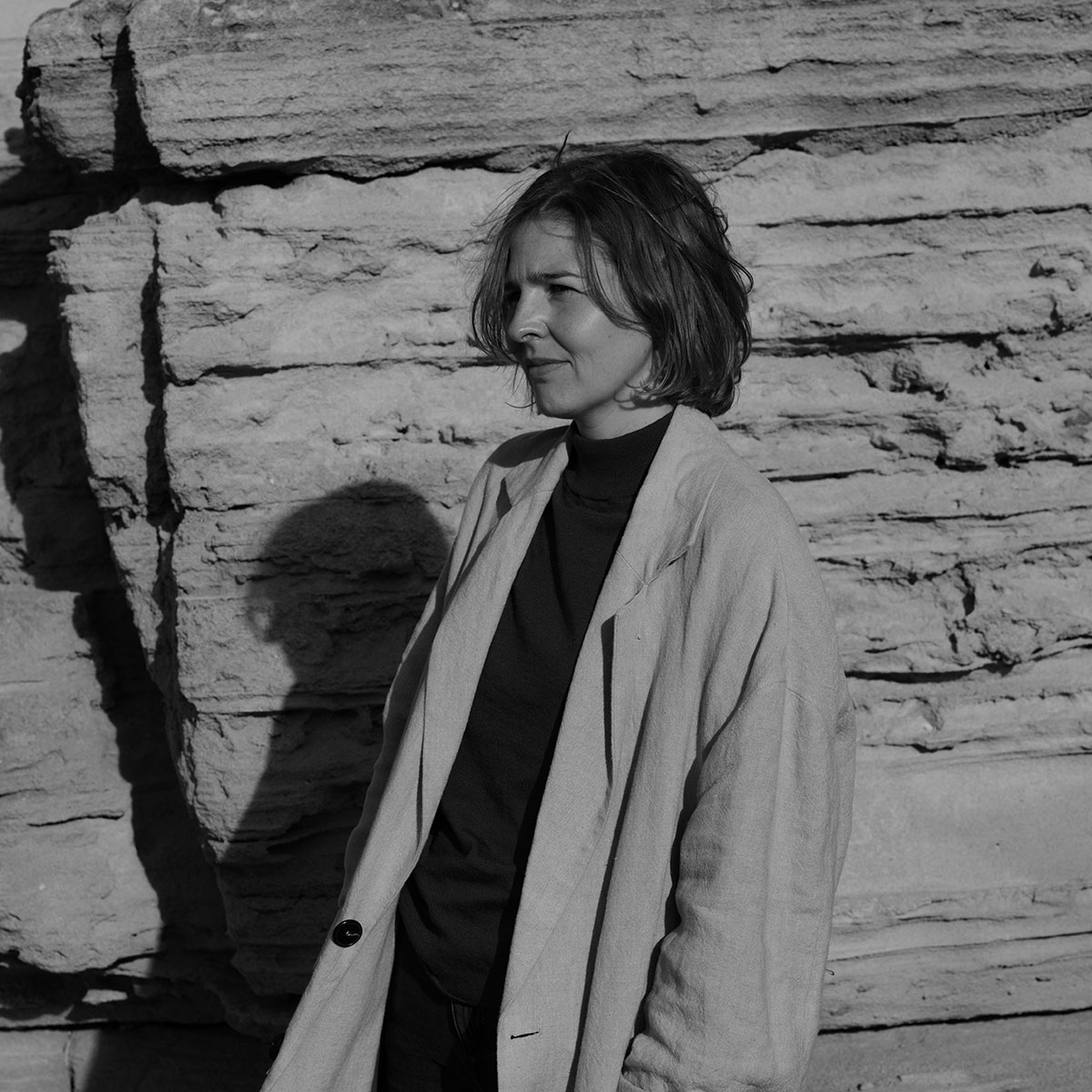
Laura Gayo (Madrid, 1982) sees architecture as a craft in service of those who inhabit it. She graduated from the Madrid School of Architecture (ETSAM) in 2009, specialising in the conservation and restoration of architectural heritage, and began her career at Arup in Madrid. In 2010 she moved to Mallorca, where she worked as project architect at Alustiza Arquitectura and, for more than five years, as senior project architect at Bastidas Architecture. Between 2018 and 2022 she was co-founder of MOYO Architects, and in 2022 she opened Estudio Gayo in Palma, a practice devoted to architecture and landscape design. That same year she completed the university expert diploma in botanical, historic and singular gardens at the Polytechnic University of Madrid. She is a member of the Spanish Association of Landscape Architects and of IFLA Europe.
Her work draws on the traditional building culture of Mallorca, a body of craft knowledge that has been largely lost and that she is set on recovering with rigour: marés sandstone used as a true building material rather than as ornament, shutters that let the air through while holding back the sun. Stone, timber, fired clay and lime mortar make up her usual palette, materials that breathe, that keep something alive in them and that age well. The result is an architecture that aspires to timelessness, to ageing with dignity apart from fashions and effects, and in which tradition and modernity, the local and the international, the learned and the vernacular all coexist. “The traditional architecture of Mallorca has a certain austerity, nothing pretentious, where everything has a reason for being, and I identify with it very closely”, she explains.
Her training as a landscape architect makes the relationship between inside and outside a constant thread. In the Mallorcan climate the garden can become the most important room of the house, a domesticated outdoors that shelters from the winter winds and the harsh summer sun. To this attention to place she adds a demanding idea of the architect’s role: setting the ego aside, putting warmth before the purity of the work, and shaping each project around the people who will live in it. Every building responds to a specific place and a specific client, out of the conviction that a home should be a refuge, the outermost layer of the person who lives there.