
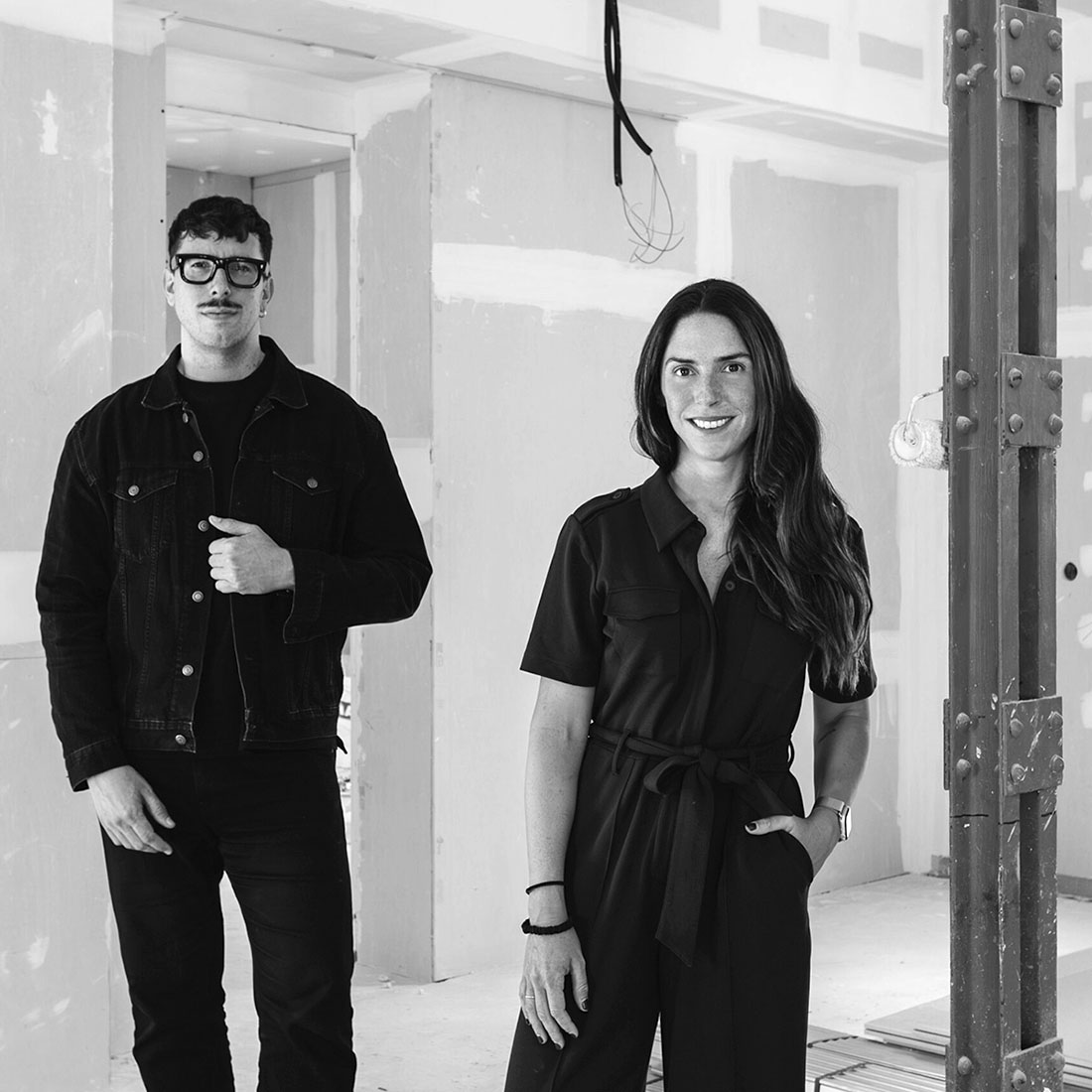
In the recent landscape of Spanish interior design, the studio Plutarco has been building a distinctive trajectory that combines architectural research, material experimentation and a deep attention to domestic life. Founded in Madrid by Ana Arana and Enrique Ventosa, the studio works across interior architecture, furniture design and art direction, developing a language in which history, colour and materiality coexist with notable creative freedom.
Plutarco’s work begins with a cultural reading of space. Their projects often start with a careful observation of the architectural context and the historical moment in which the buildings were conceived. This approach, closer to architectural research than to conventional decoration, allows the studio to create interiors where references to European modernism, Italian design or twentieth-century domestic architecture are reinterpreted through a contemporary sensibility.
One of the most recognisable features of their work is the deliberate mixing of materials, colours and formal references. Marble, terrazzo, stained woods, ceramics and textiles are combined through a compositional logic that seeks to generate rich and complex atmospheres, far removed from the minimalism that dominates much contemporary interior design. Yet this material diversity never becomes excessive: the spaces always maintain a surprising sense of balance and harmony.
The domestic dimension occupies a central place in their understanding of design. For Plutarco, interiors are not conceived as scenographies but as settings for everyday life, where spaces develop around the real dynamics of those who inhabit them: long conversations around the table, family gatherings, reading corners or places for meeting.
This sensibility also emerges in their furniture design, where they develop pieces conceived specifically for each project. Sofas, tables or lighting designed to measure are integrated into the interior architecture as part of the same spatial strategy.
Over the course of their trajectory, the studio has developed residential projects, commercial spaces and collaborations with design brands, consolidating a practice that moves between interior architecture and product design.
Among their most representative works is the transformation of Ana Arana’s own home in Madrid’s Salamanca district, a 1934 house turned into the studio’s personal manifesto. Within it appear many of the ideas that define their work: historical research, freedom in the combination of materials and an interior architecture deeply connected to the experience of domestic life.
With a sensibility that resonates with some of the most compelling European studios of their generation, Plutarco represents one of the most distinctive voices in contemporary Spanish interior design. Their work suggests a way of understanding design in which interior architecture once again occupies a place at the intersection of culture, materiality and everyday life.